Tips on how to Thread a Needle is a basic ability that may be simply realized with apply and persistence. It is a essential step in varied crafts, hobbies, and even some industries. The method could seem formidable to learners, however with the best steering, it may be mastered very quickly.
Threading a needle requires a mix of hand-eye coordination, positive motor expertise, and a spotlight to element. The kind of needle getting used, the fabric being labored with, and the person’s stage of familiarity with the duty all play a big position in figuring out the extent of problem.
Gathering Important Instruments and Supplies
Threading a needle is a fragile process requiring precision and persistence. To realize this, one should collect the important instruments and supplies wanted for the method. The instruments and supplies required are as follows:
| Device/Materials | Description | Correct Use | Cleansing |
|---|---|---|---|
| Needle | A skinny, pointed instrument used for stitching and crafting. | Maintain the needle between the thumb and index finger, with the sharp finish dealing with upwards. | Wash the needle with delicate cleaning soap and water after every use. |
| Thread | A skinny strand of fabric used to affix or adorn materials. | Maintain the thread between the thumb and index finger, with the unfastened finish dealing with away from the physique. | Mildly cleaning soap and water the thread; rinse and let it dry. |
| Scissors | A device used to chop supplies into desired shapes. | Maintain the scissors in a single hand, with the blades dealing with the fabric to be lower. | Wash the scissors with cleaning soap and water after every use. |
| Tape | A adhesive materials used to safe objects in place. | Peel the tape backing and fix it to the fabric to be secured. | Wipe the tape with a cleansing material after every use. |
Advantages and Drawbacks of Utilizing Completely different Sorts of Threads
Selecting the best sort of thread is essential in the case of threading a needle. There are numerous kinds of threads out there, every with its distinctive traits, benefits, and downsides. Listed here are just a few common kinds of threads and their properties:
Several types of threads have various strengths, sturdiness ranges, and textures. Some common choices embody:
- Cotton threads: These threads are perfect for stitching and crafting. They’re sturdy, sturdy and might stand up to heavy utilization. They’re additionally comparatively cheap and could be simply dyed.
- Nylon threads: Nylon threads are sturdy, light-weight, and immune to abrasion and scratches. They are perfect for stitching and crafting delicate materials.
- Wool threads: Wool threads are perfect for stitching and crafting thicker supplies. They’re comparatively costly, but have wonderful sturdiness.
The selection of thread finally relies on the precise venture necessities, desired consequence, and private choice.
Making ready the Needle and Thread
In relation to threading a needle, preparation is essential. On this part, we’ll focus on the important steps concerned in getting ready the needle and thread for threading.
Correctly Holding the Needle
Step one in threading a needle is to carry it appropriately. To do that, place the needle between your thumb and index finger, with the purpose of the needle dealing with away from you. This grip permits for exact management and minimizes the chance of unintentionally pricking your fingers. The thumb and index finger must be positioned in a method that the needle is safe and balanced, making it simpler to control.
Eradicating Extra Thread or Tangles
Earlier than threading the needle, it is important to take away any extra thread or tangles. To do that, maintain the spool of thread between your thumb and index finger, and gently pull out the required size of thread. Use your fingers to softly tease out any tangles or knots. You may as well use a threading assist, akin to a thread conditioner or a specialised device, to assist handle the thread.
Correcting Thread Stress, Tips on how to thread a needle
Appropriate thread stress is essential when threading a needle. If the thread is simply too tight, it may be tough to cross by the needle’s eye, whereas if it is too unfastened, it might come undone. To realize the proper thread stress, maintain the spool of thread between your thumb and index finger and gently pull out a manageable size of thread. You may as well use a threading assist to assist handle the thread and obtain the proper stress.
Thread Stress for Completely different Stitches
Thread stress can fluctuate relying on the kind of sew getting used. For instance, a decent thread stress is usually required for positive stitches, whereas a looser thread stress is appropriate for thicker stitches. To realize the proper thread stress for a selected sew, seek the advice of the sample or directions supplied.
Mastering the Threading Method
Mastering the threading approach is an important ability for varied crafts, together with stitching, beading, and jewelry-making. It requires persistence, hand-eye coordination, and dexterity. A correctly threaded needle is crucial for creating even stitches, stopping tangles, and making certain a seamless end. With apply, anybody can develop the required expertise to grasp the threading approach.
Threading a needle is a fragile course of, particularly when working with positive threads or delicate supplies. Several types of crafts require various ranges of precision and approach. As an example, stitching requires a extra exact and managed thread, whereas beading and jewelry-making usually contain working with intricate threads and supplies.
Evaluating Threading Methods for Varied Supplies
Desk 1: Widespread Threading Methods and Supplies
| Materials | Threading Method | Description |
| — | — | — |
| Effective Yarns | Pinch and Pull | Maintain the yarn between thumb and index finger, fastidiously pull the thread by the attention |
| Beads | Stringing Needle | Use a specialised needle with a big eye to string beads |
| Jewellery-Thread | Loop and Push | Create a loop with the thread and gently push it by the needle eye |
| Tapestry Yarn | Flick and Information | Flick the yarn by the needle eye whereas guiding it with a needle tip device |
These strategies differ in the best way the thread is dealt with, the quantity of management required, and the kind of needle used. When working with positive threads or delicate supplies, it is important to make use of a mild and managed movement to forestall harm or tangles.
Creating Hand-Eye Coordination and Dexterity
Hand-eye coordination and dexterity are essential expertise for mastering the threading approach. To develop these expertise, strive the next workouts:
- Thread a needle whereas watching a TV present or film to enhance hand-eye coordination whereas multitasking.
- Follow threading needles with various kinds of threads, akin to cotton, wool, or silk, to develop familiarity with varied supplies.
- Thread a number of needles concurrently to enhance dexterity and hand-eye coordination.
Common apply and persistence are key to mastering the threading approach. With time and dedication, anybody can develop the required expertise to string a needle with ease and precision.
Dealing with Widespread Threading Challenges
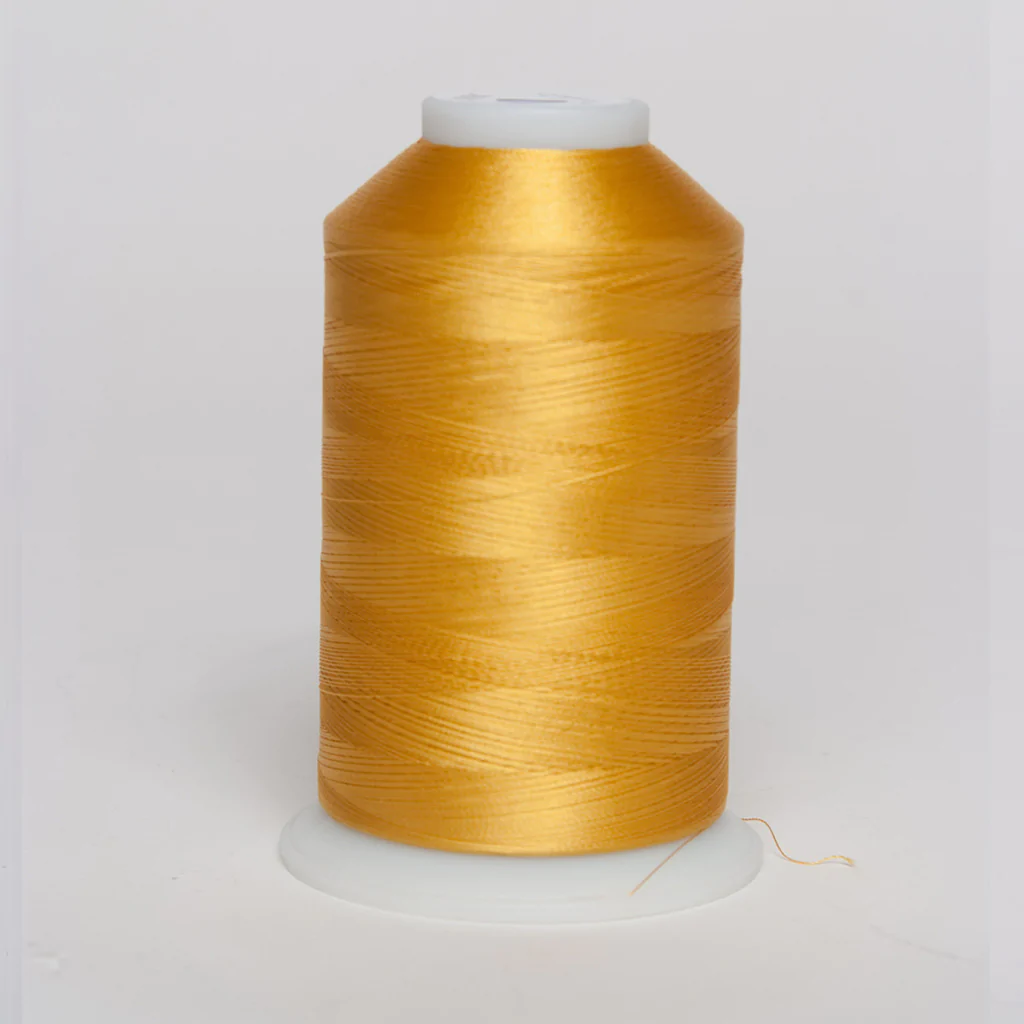
Threading needles could be a irritating and time-consuming course of, particularly for learners. Nevertheless, with the best strategies and methods, you may grasp the artwork of threading needles and sort out even the hardest initiatives. From coping with cussed thread to working with distinctive needle shapes, this part gives knowledgeable recommendation on dealing with widespread threading challenges.
Dealing with Cussed Thread
Coping with cussed thread is among the most typical challenges folks face whereas threading needles. The thread could also be too thick, too skinny, or simply plain uncooperative. To beat this problem, strive the next strategies:
- Use a wax-coated thread or a thread conditioner to make it simpler to cross by the needle’s eye.
- Apply a small quantity of thread wax or wax-based lubricant to the thread earlier than threading the needle.
- Use a needle threader, which will help information the thread by the needle’s eye.
A well known tip for threading cussed threads is to make use of a ‘thread lifter,’ which includes putting the thread at a 90-degree angle and gently lifting it as much as cross by the needle. This method could be particularly useful when working with thick or tough threads.
Working with Distinctive Needles
Needles are available in quite a lot of sizes and styles, every requiring a barely totally different threading approach. Listed here are just a few examples:
- Curved needles: For curved needles, strive threading the attention by holding the needle at an angle and gently pushing the thread by.
- Tapered needles: To string tapered needles, strive wiggling the thread forwards and backwards as you cross it by the needle’s eye.
- Massive or small needles: When working with very massive or very small needles, strive utilizing a needle threader or a magnifying glass to make threading simpler.
When working with massive needles, you could want to make use of a stronger thread to forestall it from breaking or splitting. Then again, small needles require nice care when threading to keep away from damaging the thread or the needle.
Methods for Working with Small or Massive Needles
When working with very small needles, it is important to make use of a gradual hand and a snug grip to make sure correct threading. To realize this:
- Use a magnifying glass or a loupe to amplify the needle’s eye.
- Apply light stress when threading the needle to keep away from damaging the thread or the needle.
When working with massive needles, a gradual hand and a snug grip are additionally essential. Nevertheless, you might also wish to think about using a needle threader or a thread conditioner to make the method simpler.
Threading needles is a ability that requires persistence, apply, and the best strategies.
By mastering the strategies Artikeld on this part, you can sort out even probably the most difficult threading initiatives with confidence and accuracy. From coping with cussed thread to working with distinctive needle shapes, you may be well-equipped to tackle any stitching or crafting venture that comes your method.
Creating Muscle Reminiscence for Quick and Environment friendly Threading
Creating muscle reminiscence is an important step in mastering the artwork of threads. By steadily constructing hand dexterity and finger agility, you can thread a needle rapidly and effectively, even together with your non-dominant hand. This ability will even profit you in different areas of life, akin to tying shoelaces, buttoning shirts, and even enjoying musical devices.
Construct Hand Dexterity with These Actions
Constructing hand dexterity requires constant apply and persistence. Listed here are some actions that may assist you develop finger agility and coordination:
- Enjoying a musical instrument, akin to a piano or a guitar, requires exact hand actions and finger dexterity. Even easy duties like tying shoelaces or buttoning a shirt will help.
- Finger workouts, akin to finger stretches, finger spreads, and finger bending, can enhance dexterity and coordination.
- Actions like enjoying with playdough, modeling clay, and even typing on a keyboard may assist enhance hand-eye coordination and dexterity.
- Attempt fixing Rubik’s Dice or different puzzle video games that require exact hand actions and finger coordination.
- Draw or paint often to enhance positive motor expertise and hand dexterity.
These actions will help enhance hand dexterity, finger agility, and coordination, laying the muse for muscle reminiscence. Common apply will assist you develop the talents wanted for quick and environment friendly threading.
Creating Muscle Reminiscence by Repetition and Consistency
Muscle reminiscence is developed by repetition and consistency. By working towards threading a needle often, you may begin to carry out the duty with out aware thought. Your physique will develop a “reminiscence” of the motion, permitting you to finish it rapidly and effectively.
- Begin by threading a needle 10-15 instances after which take a brief break.
- Progressively improve the variety of instances you thread the needle, aiming for 20-30 repetitions.
- Follow threading a needle with various kinds of thread, akin to thick and skinny threads.
- Attempt threading a needle together with your non-dominant hand to develop hand-eye coordination and positive motor expertise.
- Follow threading a needle in several environments, akin to in a vivid mild or with a mirror.
By following these steps and persistently working towards, you may develop muscle reminiscence for quick and environment friendly threading.
Making use of Muscle Reminiscence to Different Duties
Muscle reminiscence developed by threading a needle could be utilized to different duties that require positive motor expertise. By recognizing the patterns and actions mandatory for environment friendly threading, you can adapt these expertise to different areas of life.
Keep in mind, muscle reminiscence is developed by repetition and consistency. By working towards threading a needle often, you may begin to carry out the duty with out aware thought.
| Activity | Description |
|---|---|
| Tying shoelaces | Creating muscle reminiscence for threading a needle will help enhance positive motor expertise for duties like tying shoelaces. |
| Buttoning shirts | Threading a needle will help enhance finger dexterity and coordination, making it simpler to button shirts. |
These examples exhibit how muscle reminiscence developed by threading a needle could be utilized to different duties that require positive motor expertise. By persistently working towards and adapting your expertise, you may develop into more adept and environment friendly in varied areas of life.
Abstract
Mastering the artwork of threading a needle takes time and apply, however with dedication and persistence, anybody can develop into proficient. By following the steps Artikeld on this information and experimenting with totally different strategies, you can sort out a variety of initiatives with confidence and precision.
Keep in mind, apply makes good. Do not be discouraged if it takes just a few makes an attempt to get the cling of it. With every passing day, you may develop into extra comfy and environment friendly in threading a needle, and shortly, it would develop into second nature to you.
Knowledgeable Solutions: How To Thread A Needle
Q: What’s the finest sort of needle to make use of for beading?
A: For beading, it is really useful to make use of a needle with a big eye and a pointy level, akin to a beading needle or a tapestry needle.
Q: How do I clear my needle after use?
A: After every use, fastidiously clear your needle with cleaning soap and water, after which dry it completely to forestall rust or harm.
Q: What are some widespread difficulties folks encounter whereas threading needles?
A: Some widespread difficulties embody eye fatigue, hand tremors, or problem in getting the thread to cross by the needle’s eye.
Q: Can I take advantage of any sort of thread for beading or jewelry-making?
A: No, not all threads are appropriate for beading or jewelry-making. It is best to make use of threads particularly designed for these functions, akin to beading threads or wire.

