With domesticate olive bushes on the forefront, this information gives a complete overview of the method, from understanding the fundamentals to diversifying olive tree merchandise. Whether or not you are a seasoned farmer or a newbie seeking to get began, this text will stroll you thru the steps concerned in cultivating olive bushes, together with deciding on the correct local weather and soil kind, making ready the land for planting, and sustaining the bushes.
The significance of local weather and soil kind can’t be overstated, as they may instantly impression the well being and productiveness of your olive bushes. On this information, we can even focus on the varied strategies of planting and establishing olive bushes, together with conventional and fashionable approaches. Moreover, we are going to cowl widespread points that will come up, comparable to pests and illnesses, and supply suggestions for managing them successfully.
Making ready the Land for Olive Tree Planting
Olive tree cultivation begins with deciding on an acceptable location and making ready the land to offer the optimum rising situations for the bushes. This entails a collection of steps to make sure soil fertility and construction, which impacts tree development, fruit manufacturing, and general productiveness. When achieved accurately, these preliminary steps can have a long-lasting impression on the well being and efficiency of olive bushes. Soil preparation ought to tackle the incorporation of natural matter, fertilizers, pH ranges, and built-in pest administration methods. These elements contribute considerably to sustaining wholesome olive bushes, selling sustainable olive tree cultivation.
Soil Fertility and Natural Matter
To attain optimum soil fertility, natural matter must be integrated into the soil. This entails including compost or well-rotted manure to enhance soil construction, improve water retention capability, and supply important vitamins for the bushes. Compost or manure must be unfold evenly and tilled into the soil earlier than planting olive bushes. This course of enhances microbial exercise and promotes nutrient biking, finally contributing to wholesome tree development.
Soil Fertilizers
Olive bushes profit from the appliance of fertilizers tailor-made to satisfy their nutrient necessities. Fertilizers wealthy in nitrogen encourage leaf development, whereas phosphorus promotes root improvement. Potassium helps preserve general tree well being and resistance to illnesses. Natural and inorganic fertilizers can be utilized relying on the soil kind and olive tree age. Common soil testing permits for correct fertilizer utility to keep away from over-fertilization and potential environmental hurt.
Soil pH Adjustment
Olive bushes thrive in barely alkaline to impartial soils with a pH vary of 6.5 to 7.5. pH ranges beneath 5.5 can result in micronutrient deficiencies, whereas pH above 8.0 may cause toxicity. Common pH monitoring and adjustment could also be crucial relying on the soil kind and native environmental situations. Lime or sulfur will be utilized to decrease or increase the pH to an acceptable vary for optimum olive tree development.
Pest and Illness Management Strategies
Pest and illness administration methods for olive bushes deal with sustaining ecosystem stability with out resorting to doubtlessly hazardous chemical compounds, comparable to sure pesticides. Built-in pest administration (IPM) methods prioritize non-chemical management strategies comparable to crop rotation, entice cropping, and cultural controls. Organic management utilizing useful bugs can present long-lasting pest management, decreasing the danger of pest resistance. Cultural practices, comparable to pruning, irrigation administration, and correct tree spacing, contribute to tree protection in opposition to pests and illnesses. In excessive instances, focused natural and inorganic pesticides must be utilized with warning, following the really useful dosages and utility tips.
Planting and Establishing Olive Timber
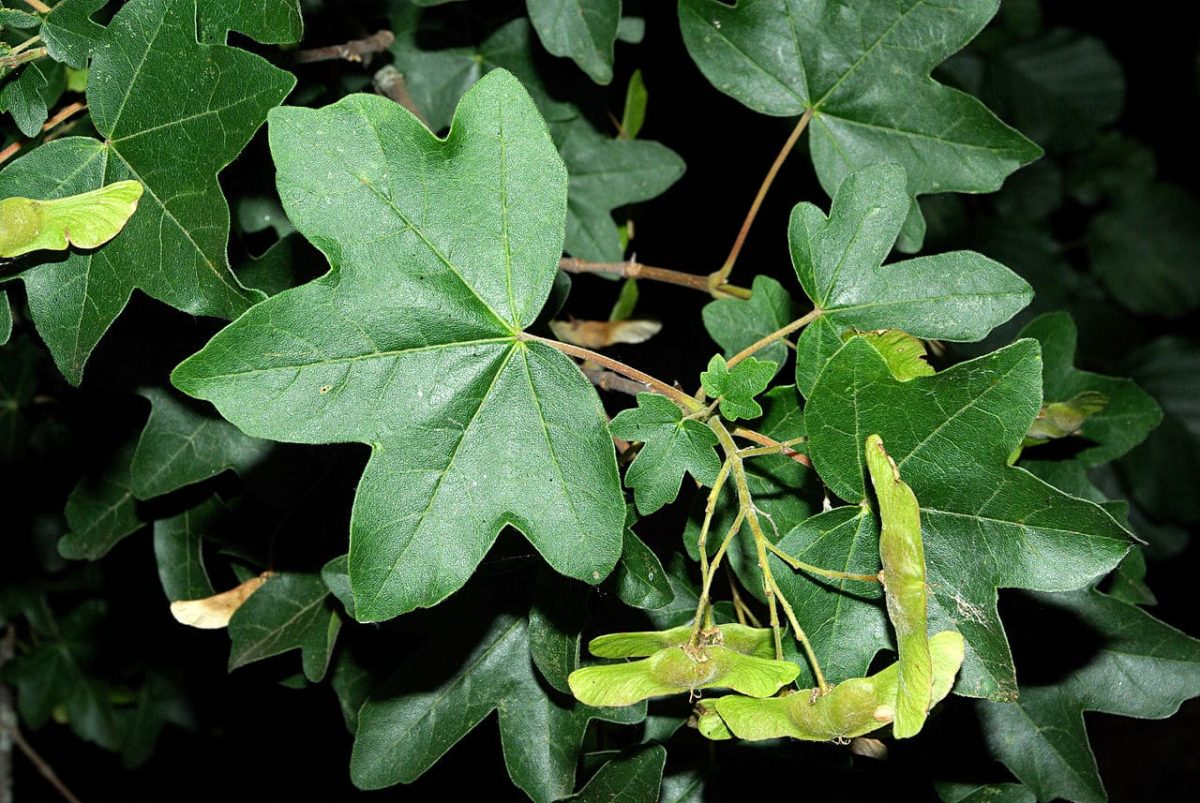
On the subject of rising olive bushes, the planting course of is a vital step that determines the general well being and productiveness of the tree. With the development of know-how, fashionable strategies of planting olive bushes have emerged, providing improved advantages and effectivity in comparison with conventional strategies. On this part, we’ll discover each conventional and fashionable approaches to planting olive bushes, and focus on the significance of correct watering and securing methods for newly planted bushes.
Totally different Strategies of Planting Olive Timber
There are two major strategies of planting olive bushes: conventional and fashionable. The standard methodology entails digging a gap, inserting the tree in it, and filling the outlet with soil. This method has been used for hundreds of years and remains to be efficient for olive bushes.
The Conventional Technique
The standard methodology of planting olive bushes entails:
- Digging a gap that’s twice as large and as deep because the tree’s root ball.
- Gently eradicating the tree from its container and inserting it within the gap.
- Filling the outlet with soil, ensuring to pack it tightly across the roots.
- Watering the tree totally to settle the soil.
Whereas this methodology is efficient, it may be time-consuming and labor-intensive, particularly for large-scale plantings.
The Fashionable Technique
The fashionable methodology of planting olive bushes, alternatively, entails utilizing specialised gear and methods to plant the bushes shortly and effectively. This methodology contains:
- Utilizing a trenching machine to dig a trench for the tree’s root system.
- Inserting the tree within the trench and masking it with soil.
- Utilizing a soil compactor to pack the soil tightly across the roots.
- Watering the tree totally to settle the soil.
This methodology is quicker and extra environment friendly than the standard methodology, decreasing labor prices and growing productiveness.
The Significance of Correct Watering Methods
Watering is a essential facet of caring for newly planted olive bushes. It is important to water the bushes usually, particularly in the course of the first yr after planting. Correct watering methods can assist reduce water waste and make sure the bushes obtain the correct quantity of moisture.
Advantages of Correct Watering
Correct watering methods supply a number of advantages for newly planted olive bushes, together with:
- Lowered water waste: By watering the bushes accurately, you may reduce water waste and make sure the bushes obtain the correct quantity of moisture.
- Improved root improvement: Correct watering helps the tree’s roots develop deeper and stronger, enabling it to soak up extra water and vitamins.
- Elevated tree well being: Watering the bushes usually helps forestall stress and promotes general tree well being.
Advisable Watering Methods
To reduce water waste, contemplate the next watering methods for newly planted olive bushes:
- Water the bushes in the course of the early morning or night to cut back evaporation.
- Use a slow-release irrigation system to ship water to the roots over an extended interval.
- Keep away from overwatering, which may result in root rot and different issues.
- Monitor the soil moisture ranges usually to find out when the bushes want watering.
Securing newly planted olive bushes is essential to stop harm from robust winds and different environmental elements. Utilizing stakes and trellises can present assist and stability for the bushes, selling wholesome development and improvement.
Advantages of Staking and Trellising
Staking and trellising newly planted olive bushes provides a number of advantages, together with:
- Lowered harm: Staking and trellising can forestall the tree from toppling over in robust winds, decreasing harm and stress.
- Improved assist: Offering assist for the tree’s branches and trunk can assist promote wholesome development and improvement.
- Elevated stability: Staking and trellising can assist the tree develop a robust root system and change into extra secure over time.
Advisable Securing Methods, Tips on how to domesticate olive bushes
To safe newly planted olive bushes successfully, contemplate the next methods:
- Use sturdy stakes which are at the least 6 toes tall to offer assist for the tree’s trunk.
- Set up a trellis system to offer assist for the tree’s branches and promote vertical development.
- Gently tie the tree to the stake or trellis utilizing mushy supplies like twine or wire.
- Monitor the tree’s development and modify the staking and trellising as wanted.
Extra Suggestions
Along with correct watering and securing methods, listed below are some further suggestions for planting and establishing olive bushes:
- Plant olive bushes in well-draining soil to stop waterlogged situations.
- Fertilize the bushes usually to advertise wholesome development and improvement.
- Prune the bushes usually to take care of their form and promote fruiting.
- Monitor the bushes for pests and illnesses, taking motion promptly in case you discover any points.
Olive Tree Upkeep and Pruning
Common pruning is a vital facet of olive tree upkeep, because it promotes wholesome development and fruit manufacturing. By controlling the tree’s form, dimension, and productiveness, common pruning can result in a rise in fruit high quality, amount, and oil yield. Pruning additionally helps to take away diseased, broken, or useless branches, which may forestall the unfold of illness and encourage new development.
Advantages of Common Pruning
Common pruning can stimulate wholesome development in olive bushes, resulting in a rise in fruit manufacturing and oil yield. By eradicating useless, diseased, or broken branches, pruning promotes air circulation and reduces the danger of illness. Pruning additionally helps to regulate the tree’s dimension and form, making it simpler to take care of and harvest. Moreover, pruning can promote the event of a robust root system, which is crucial for the tree’s general well being and productiveness.
Frequent Pruning Methods
Numerous pruning methods can be utilized to take care of and prune olive bushes, together with the usage of hand pruners, loppers, and saws. Hand pruners are perfect for small branches and pruning cuts, whereas loppers are higher fitted to thicker branches. Saws, alternatively, are usually used for bigger branches or for pruning total sections of the tree. When pruning, it is important to make clear cuts, eradicating any useless or diseased wooden to stop the unfold of illness.
Suggestions for Pruning Schedule and Frequency
The pruning schedule and frequency for olive bushes range relying on the area’s local weather and soil situations. Usually, olive bushes must be pruned in the course of the dormant season, usually in late winter or early spring. This permits the tree to get better from pruning and promotes wholesome new development. Pruning must be achieved yearly, with extra frequent pruning required for younger bushes or bushes which are closely laden with fruit.
In areas with scorching and dry climates, pruning could must be achieved extra often to stop harm from extreme warmth and drought. In areas with gentle winters, pruning will be achieved much less often, because the tree is much less more likely to be affected by excessive temperatures. It is important to think about the tree’s particular wants and modify the pruning schedule accordingly.
Pruning schedule suggestions embody:
– Prune younger bushes yearly, eradicating any useless, diseased, or broken branches.
– Prune established bushes each 2-3 years, eradicating any useless, diseased, or broken branches and scaling down the tree to advertise air circulation.
– Prune closely fruit-laden bushes each 1-2 years, eradicating any useless, diseased, or broken branches and scaling down the tree to advertise air circulation.
Pests, Ailments, and Different Frequent Points
Olive bushes are inclined to varied pests and illnesses, which may have a major impression on their development and productiveness. Common monitoring and administration of those points are important for sustaining wholesome bushes and stopping financial losses. On this part, we are going to focus on the commonest pests and illnesses affecting olive bushes and supply steerage on built-in pest administration (IPM) methods and pure cures to regulate them.
Frequent Pests
Pests may cause vital harm to olive bushes by feeding on leaves, stems, and fruit. Some widespread pests discovered on olive bushes embody:
- Nutsedge: a grassy weed that may develop as much as 3 toes tall, typically discovered within the understory and competing with olive bushes for water and vitamins.
- Olive fruit fly: a small insect that lays eggs within the olive fruit, inflicting them to rot and drop from the tree.
- Aphids: small, soft-bodied bugs that feed on plant sap, typically discovered on leaves and stems.
- Slugs and snails: nocturnal pests that feed on leaves, stems, and fruit, forsaking a silvery path of slime.
- Scale: armored bugs that feed on plant sap, typically discovered on stems and branches.
These pests will be managed utilizing a mixture of cultural, organic, and chemical controls. For instance, pruning infested branches, eradicating weeds, and introducing useful bugs or microorganisms can assist management pest populations.
Ailments
Ailments can even have a major impression on olive tree development and productiveness. Some widespread illnesses discovered on olive bushes embody:
- Powdery mildew: a fungus that causes a white, powdery coating to type on leaves and stems.
- Verticillium wilt: a fungus that causes leaves to wilt and switch yellow, typically resulting in tree loss of life.
- Root rot: a fungus that causes roots to rot, typically resulting in tree loss of life.
- Crown rot: a fungus that causes the crown of the tree to rot, typically resulting in tree loss of life.
These illnesses will be managed utilizing a mixture of cultural, organic, and chemical controls. For instance, working towards good sanitation, eradicating contaminated branches, and making use of fungicides can assist management illness outbreaks.
Built-in Pest Administration (IPM) Methods
IPM methods contain utilizing a mixture of cultural, organic, and chemical controls to handle pests and illnesses. The purpose of IPM is to attenuate chemical use whereas sustaining tree well being and productiveness. Some widespread IPM methods embody:
- Monitoring: usually monitoring bushes for pests and illnesses to detect issues early.
- Cultural controls: practices comparable to pruning, thinning, and eradicating weeds to stop pest and illness buildup.
- Organic controls: introducing useful bugs or microorganisms to regulate pest populations.
- Chemical controls: making use of pesticides or fungicides to regulate pest and illness outbreaks.
Through the use of a mixture of those IPM methods, olive farmers can preserve wholesome bushes, forestall financial losses, and reduce environmental impression.
Pure Cures
Along with IPM methods, olive farmers can use pure cures to regulate pests and illnesses. Some widespread pure cures embody:
- Neem oil: a pure pesticide that can be utilized to regulate a variety of pests.
- Bacterial options: useful micro organism that can be utilized to regulate illness outbreaks.
- Pure fungicides: comparable to sulfur and copper-based merchandise that can be utilized to regulate fungal illnesses.
These pure cures can be utilized alone or together with different controls to handle pest and illness points.
Sustainability and Environmental Issues: How To Domesticate Olive Timber
Olive cultivation is a major agricultural exercise that impacts native ecosystems and biodiversity. Whereas well-managed olive groves can present quite a few advantages, comparable to sustaining ecosystem companies, conserving water, and selling biodiversity, poor administration can result in destructive environmental penalties, together with soil degradation, lack of habitat, and water air pollution. As the worldwide demand for olive oil continues to rise, it’s essential to undertake sustainable practices that reduce hurt to the atmosphere.
Environmental Impression of Olive Cultivation
Olive cultivation can have a major impression on native ecosystems and biodiversity, relying on the administration practices employed. Using intensive agricultural practices, comparable to monoculture and chemical pesticides, can result in soil erosion, lack of biodiversity, and water air pollution. Moreover, the excessive water calls for of olive bushes can pressure native water sources, significantly in water-scarce areas. Nevertheless, adopting sustainable practices, comparable to agroforestry and permaculture, can assist reduce these impacts and promote ecosystem companies.
- Sustainable land administration practices, comparable to contour farming and crop rotation, can cut back soil erosion and promote soil well being.
- Agroforestry techniques, which combine bushes into agricultural landscapes, can present habitat for wildlife and promote biodiversity.
- Natural farming practices, which keep away from the usage of artificial pesticides and fertilizers, can cut back water air pollution and promote ecosystem companies.
Significance of Renewable Vitality Sources and Sustainable Practices
Using renewable vitality sources and sustainable practices is crucial for decreasing the environmental impression of olive cultivation. As the worldwide demand for olive oil continues to rise, it’s essential to undertake practices that reduce greenhouse fuel emissions and promote vitality effectivity. Solar energy, specifically, is a beautiful possibility for powering olive oil manufacturing, as it’s a clear and renewable supply of vitality.
- Solar energy can cut back greenhouse fuel emissions and promote vitality effectivity in olive oil manufacturing.
- Natural fertilizers, comparable to compost and manure, can cut back the usage of artificial fertilizers and promote soil well being.
- Environment friendly water administration practices, comparable to drip irrigation and rainwater harvesting, can cut back the pressure on native water sources.
Decreasing Waste and Conserving Sources
Decreasing waste and conserving sources is essential for sustainable olive tree cultivation. Composting and rainwater harvesting are two efficient methods for decreasing waste and conserving sources. Composting, specifically, can assist cut back the quantity of natural waste despatched to landfills and promote soil well being. Rainwater harvesting, alternatively, can present a dependable supply of water for irrigation, decreasing the pressure on native water sources.
- Composting can assist cut back the quantity of natural waste despatched to landfills and promote soil well being.
- Rainwater harvesting can present a dependable supply of water for irrigation and cut back the pressure on native water sources.
- Environment friendly packing and transportation practices can cut back waste and preserve sources.
Conclusion
Sustainable olive tree cultivation is crucial for minimizing hurt to the atmosphere and selling ecosystem companies. By adopting practices like agroforestry, natural farming, and renewable vitality sources, we will cut back the environmental impression of olive cultivation and promote biodiversity. Moreover, decreasing waste and conserving sources by way of composting and rainwater harvesting can assist make sure the long-term sustainability of olive tree manufacturing. By working collectively, we will promote sustainable olive tree cultivation and guarantee a wholesome future for our planet.
Closing Notes
By following the steps Artikeld on this information, you may be nicely in your option to cultivating wholesome and productive olive bushes. Bear in mind to remain dedicated to common upkeep and pruning, as these will play a vital position in selling wholesome development and fruit manufacturing. With the correct care and a focus, your olive bushes will thrive and give you a bountiful harvest for years to return.
Solutions to Frequent Questions
What’s the best local weather for olive tree cultivation?
Olive bushes favor well-drained soil and full solar. They thrive in Mediterranean-type climates with cool winters and scorching summers. Ultimate temperatures for development vary from 15°C to 30°C (59°F to 86°F).
How typically ought to I water my olive bushes?
Olive bushes require common watering, particularly in the course of the first yr after planting. Water them deeply a few times per week, relying on the soil kind and local weather. Keep away from overwatering, which may result in root rot and different issues.
Can I develop olive bushes in containers?
Sure, you may develop olive bushes in containers, however be sure the container is massive sufficient to accommodate the tree’s roots. Select a well-draining potting combine and water the tree usually to take care of optimum moisture ranges.
How do I forestall pests and illnesses in my olive bushes?
To stop pests and illnesses, preserve good hygiene practices, comparable to usually inspecting the bushes for indicators of infestation or an infection. Use built-in pest administration (IPM) methods to attenuate chemical use and promote wholesome development.

