With how to attract a fowl on the forefront, this information opens a window to an incredible begin and intrigue, inviting readers to embark on an interesting journey to study the methods of capturing the essence of birds. From understanding the basics of avian anatomy to mastering numerous fowl drawing types, this information will stroll you thru the method of bringing these creatures to life on paper.
All through this complete information, you may uncover the intricacies of fowl anatomy, from the skeletal system to the distinctive traits of feathers and plumage. We’ll additionally delve into the world of fowl behaviors, exploring the artwork of capturing motion and motion, and the best way to convey emotion by means of facial expressions and physique language.
Understanding the Fundamentals of Avian Anatomy
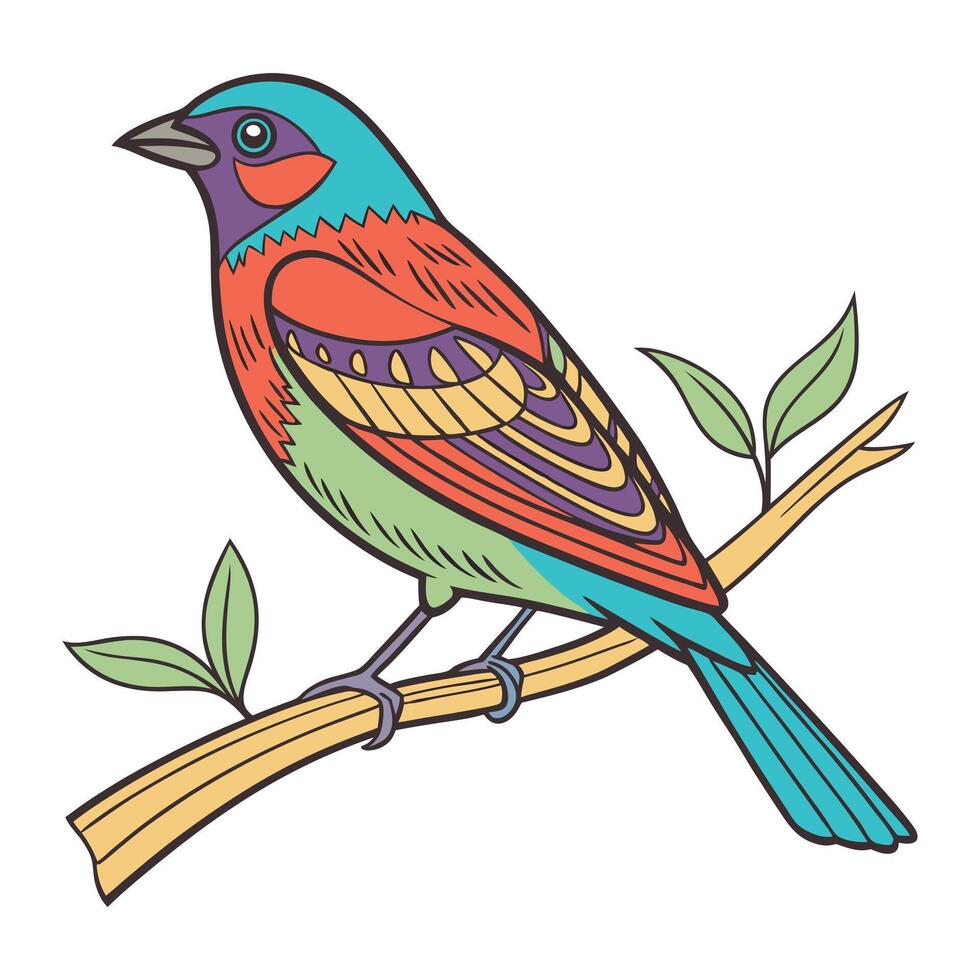
A fowl’s physique is a posh and interesting construction, composed of varied parts that work collectively to create its distinctive and adaptable type. To attract a practical fowl, it’s important to grasp the fundamental construction of its physique, together with the skeletal system, muscular tissues, and feathers.
The skeletal system of a fowl consists of a light-weight but robust skeleton, made up of hole bones which are stuffed with air areas. This distinctive adaptation permits birds to fly effectively, because it reduces their general weight and makes it simpler to generate raise. The skeleton additionally features a keel bone, which serves as an attachment level for the highly effective chest muscular tissues that assist birds fly.
The muscular tissues of a fowl are divided into two classes: the flight muscular tissues and the non-flight muscular tissues. The flight muscular tissues are highly effective and make up a good portion of the fowl’s physique weight. They’re accountable for flapping the wings and producing raise. The non-flight muscular tissues, alternatively, are accountable for actions similar to strolling, operating, and perching.
A fowl’s feathers are one other distinctive characteristic that performs a vital position in its anatomy. Feathers are composed of a central shaft, or rachis, surrounded by vanes and barbs that give them their form and construction. The feathers on a fowl’s physique serve a number of functions, together with insulation, waterproofing, and aiding in flight.
The Significance of Understanding Avian Anatomy in Drawing
Understanding the elemental parts of a fowl’s physique is essential for drawing life like fowl varieties. By figuring out the skeletal system, muscular tissues, and feathers, artists can precisely depict the fowl’s proportions, posture, and actions. This, in flip, helps to create a extra plausible and interesting illustration of the fowl.
Evaluating the Variations between Varied Fowl Species
Totally different fowl species have distinctive anatomical options that set them aside from each other. For instance, birds of prey, similar to hawks and eagles, have highly effective talons and sharp beaks which are completely tailored for catching and consuming prey. Waterbirds, similar to geese and geese, have webbed toes and a layer of fats that helps them to insulate themselves in chilly water. Songbirds, similar to sparrows and finches, have small beaks and highly effective wings that permit them to fly rapidly and agilely.
Key Anatomical Options of Totally different Fowl Species
- Waterbirds: Webbed toes, layer of fats, and a streamlined physique form
- Birds of Prey: Highly effective talons, sharp beaks, and a broad wingspan
- Songbirds: Small beaks, highly effective wings, and a light-weight skeleton
Understanding the elemental parts of a fowl’s physique is important for drawing life like fowl varieties. By figuring out the skeletal system, muscular tissues, and feathers, artists can precisely depict the fowl’s proportions, posture, and actions, permitting for a extra plausible and interesting illustration of the fowl.
Significance of Avian Anatomy in Artwork
Avian anatomy performs a vital position in artwork, notably within the depiction of birds. Artists should perceive the distinctive options and diversifications of various fowl species in an effort to precisely symbolize them on paper or canvas.
Actual-Life Purposes of Avian Anatomy
Understanding avian anatomy has numerous real-life purposes, together with within the fields of ornithology, zoology, and conservation biology. It additionally has sensible purposes within the design of bird-proof buildings and the event of bird-friendly structure.
Conclusion
Understanding the elemental parts of a fowl’s physique is essential for drawing life like fowl varieties. By figuring out the skeletal system, muscular tissues, and feathers, artists can precisely depict the fowl’s proportions, posture, and actions, permitting for a extra plausible and interesting illustration of the fowl.
Mastering Fowl Silhouettes and Profiles
In the case of drawing birds, capturing their essence and construction is essential for making a plausible illustration. Mastering fowl silhouettes and profiles requires a mix of commentary, understanding of avian anatomy, and follow. By following the methods and finest practices Artikeld on this article, you’ll be able to enhance your abilities and create extra correct and detailed drawings of birds.
Methods for Capturing Fowl Silhouettes
Capturing the silhouette of a fowl is important for understanding its general form and construction. Listed here are some methods that can assist you obtain this:
- Observe the general form: Have a look at the fowl’s form as an entire, being attentive to its proportions, size, and width. Attempt to seize this form in your drawing by utilizing easy strains and varieties.
- Give attention to the perimeters: Take note of the perimeters and contours of the fowl’s physique, wings, and tail. Use light and clean strains to counsel the feel and sample of the feathers.
- Use unfavourable house: Adverse house is the world across the fowl that helps to outline its form and Artikel. Use this house to create a way of depth and quantity in your drawing.
- Experiment with completely different mediums: Attempt drawing with completely different mediums similar to pencils, charcoal, or ink to see how they have an effect on the silhouette of the fowl.
The Significance of Observing Fowl Silhouettes in Actual-Life Settings
Observing fowl silhouettes in real-life settings is important for understanding their habits, habitat, and construction. Listed here are some the reason why:
- Improved understanding of fowl habits: By observing fowl silhouettes of their pure habitat, you’ll be able to acquire insights into their habits, similar to their migration patterns, feeding habits, and social interactions.
- Higher understanding of fowl habitats: Observing fowl silhouettes in numerous environments may help you perceive their relationships with their ecosystem, similar to their reliance on meals sources, shelter, and nesting websites.
- Enhanced commentary abilities: Observing fowl silhouettes in real-life settings requires consideration to element, persistence, and persistence. These abilities will be transferred to different areas of life, similar to fowl watching, nature images, or scientific analysis.
Frequent Errors Amateurs Make When Drawing Fowl Profiles and Corrective Methods
When drawing fowl profiles, amateurs usually make the next errors:
- Misjudging proportions: Amateurs usually misjudge the proportions of the fowl’s head, beak, and physique, resulting in an inaccurate illustration.
- Inaccurate depiction of feathers: Amateurs usually fail to seize the feel, sample, and path of the feathers, leading to a dull and unrealistic look.
- Lack of consideration to element: Amateurs usually overlook essential particulars similar to the form of the eyes, nostrils, and mouth, which might drastically have an effect on the general accuracy of the drawing.
To keep away from these errors, be certain to:
Drawing Fowl Expressions and Facial Options
Drawing fowl expressions and facial options is a vital facet of making life like and interesting fowl illustrations. A fowl’s expression can convey a variety of feelings, from serenity to pleasure, and may drastically improve the general enchantment of an illustration. By mastering the nuances of fowl expressions and facial options, artists can convey their fowl illustrations to life and create a way of depth and character.
Understanding Fowl Expressions
Fowl expressions are a results of the mix of a fowl’s posture, facial options, and physique language. A fowl’s expression will be influenced by numerous components, similar to its emotional state, setting, and social context. For instance, a fowl that’s feeling threatened or defensive might undertake a aggressive posture, whereas a fowl that’s feeling relaxed and content material might have a extra relaxed and open posture.
- Posture: A fowl’s posture can drastically affect its expression. A fowl that’s standing tall with its feathers fluffed out might seem assured and assertive, whereas a fowl that’s crouched low with its feathers ruffled might seem fearful or submissive.
- Facial options: A fowl’s facial options, similar to its beak, eyes, and nostrils, also can convey a spread of feelings. For instance, a fowl with a pointy, pointed beak might seem menacing or aggressive, whereas a fowl with a brief, stout beak might seem pleasant and docile.
- Physique language: A fowl’s physique language also can present clues about its emotional state. For instance, a fowl that’s displaying aggressive posturing, similar to raised feathers or a loud name, could also be signaling its dominance or warning its rivals to remain away.
Life like Fowl Facial Options
Draw life like fowl facial options by listening to the refined strains and curves of the beak, eyes, and nostrils. The beak is a key characteristic of a fowl’s face, and its form, dimension, and shade can convey a spread of feelings. For instance, a fowl with a pointy, pointed beak might seem assured and assertive, whereas a fowl with a brief, stout beak might seem pleasant and docile.
- Eyes: A fowl’s eyes are a essential characteristic of its face, and their form, dimension, and shade can convey a spread of feelings. For instance, a fowl with massive, spherical eyes might seem light and curious, whereas a fowl with small, bead-like eyes might seem fierce and territorial.
- Nostrils: A fowl’s nostrils are a fragile characteristic of its face, and their form and dimension can convey a spread of feelings. For instance, a fowl with massive, flared nostrils might seem robust and assured, whereas a fowl with small, pinched nostrils might seem fearful or submissive.
- Beak form: A fowl’s beak form can convey a spread of feelings, from aggression to friendliness. For instance, a fowl with a pointy, pointed beak might seem assured and assertive, whereas a fowl with a brief, stout beak might seem pleasant and docile.
The Position of Facial Expression in Conveying Fowl Personalities and Moods
A fowl’s facial features can convey a variety of personalities and moods, from serenity to pleasure. By mastering the nuances of fowl expressions and facial options, artists can create life like and interesting fowl illustrations that convey their topics to life. A fowl’s facial features also can present clues about its emotional state, social context, and setting, permitting artists to create extra nuanced and plausible illustrations.
A fowl’s facial features is a window into its soul, and mastering its nuances may help artists create extra life like and interesting fowl illustrations.
Creating Life like Colour Schemes and Patterns
Colour performs an important position in fowl identification and communication, with distinct plumage patterns and hues serving as indicators of species, intercourse, age, and well being. The best way birds understand and categorical shade might differ from people, and understanding these variations is important for correct illustration in artwork. By mastering the artwork of making life like shade schemes and patterns, artists can add depth and authenticity to their fowl drawings, making them extra partaking and recognizable.
Mixing Colours and Choosing Pigments
In the case of mixing colours and choosing pigments, artists should take into account the complexities of fowl coloration. Birds have 4 shade receptors, which permits them to understand a wider vary of colours than people. To attain correct and interesting fowl colours, artists ought to use a mix of major colours, rigorously balancing heat and funky tones. As an illustration, the colourful hues of a peacock’s feathers are achieved by means of the mix of crimson, blue, and yellow.
- Cyan and yellow will be combined to create a wide range of blues and greens, that are widespread in fowl plumage.
- By including a small quantity of crimson or orange, artists can create heat, earthy tones that evoke the colours of desert or tropical birds.
- White and grey can be utilized so as to add highlights and definition to fowl feathers, creating a way of depth and dimensionality.
Utilizing Patterns and Textures to Reinforce a Fowl’s Id and Setting
Patterns and textures can add an additional layer of realism to fowl drawings, serving to to bolster a fowl’s id and setting. For instance, the intricate patterns on a fowl’s feathers will be achieved by means of the usage of completely different textures and shading methods. By learning the patterns and textures present in nature, artists can create life like and interesting fowl drawings that seize the essence of those fascinating creatures.
- Examine the intricate patterns on fowl feathers, such because the iridescent sheen on the neck of a peacock or the striped markings on a woodpecker.
- Use completely different textures to create the looks of feathers, pores and skin, and different fowl surfaces.
- Take note of the way in which gentle interacts with fowl feathers, creating shadows and highlights that add depth and dimensionality to the drawing.
“The flexibility to precisely depict the colours, patterns, and textures of fowl feathers is a key ingredient in creating a practical fowl drawing.”
Mastering Varied Fowl Drawing Kinds
Drawing birds will be an extremely rewarding expertise, and mastering completely different types can take your artwork to the following stage. To attain this, it is important to grasp the distinctive qualities of varied types and the best way to successfully incorporate them into your work. This consists of commentary, analysis, and creativeness.
Statement and Analysis
Statement is essential to creating life like and genuine representations of birds. By learning the pure world and observing birds of their habitats, you’ll be able to acquire a deeper understanding of their behaviors, postures, and traits. Researching completely different species, their habits, and their habitats can even present precious insights that may be utilized to your drawings. Moreover, learning the work of different artists who specialise in fowl artwork may help you acquire inspiration and new concepts to include into your individual distinctive type.
Creativeness and Experimentation
Creativeness is what units your fowl drawings aside from others and makes them actually distinctive. It is the spark that turns a practical drawing right into a murals. To faucet into your creativeness, experiment with completely different mediums, methods, and types. Attempt combining conventional strategies with trendy instruments and see what inventive potentialities come up. Do not be afraid to push the boundaries and check out new issues – that is the place the magic occurs and your artwork actually comes alive.
Life like Fowl Drawing Fashion
Life like fowl drawing is all about capturing the intricate particulars and delicate options of birds. This type requires a excessive stage of precision and accuracy, achieved by means of cautious commentary and a spotlight to element. Life like drawings of birds can vary from easy sketches to intricate, multi-media masterpieces. To attain this type, give attention to the textures, patterns, and colours of the fowl’s plumage, in addition to the shapes and types of its physique, beak, and legs.
Summary Fowl Drawing Fashion
Summary fowl drawing is all about expressing the essence and spirit of birds by means of simplified shapes, varieties, and colours. This type permits for a substantial amount of creativity and experimentation, and is ideal for many who get pleasure from expressing themselves in a extra summary and expressive means. Summary fowl drawings will be stylized, simplified, and even utterly distorted – the probabilities are infinite.
Whimsical Fowl Drawing Fashion
Whimsical fowl drawing is a mode that mixes realism with fantasy, leading to distinctive and charming creations. This type usually options exaggerated options, vibrant colours, and playful compositions, creating an endearing and interesting visible expertise. Whimsical drawings of birds will be humorous, surreal, or just lovely – the probabilities are huge.
Examples of Totally different Fowl Drawing Kinds
- Leonardo da Vinci’s fowl research, which showcase his consideration to element and anatomical accuracy
- John James Audubon’s fowl illustrations, which exemplify a practical, detailed method
- Ernest Seton’s fowl drawings, which exhibit a whimsical and expressive type
- Alex Gray’s fowl work, which mix realism with summary and symbolic parts
The Significance of Private Expression
Private expression is on the coronary heart of drawing birds, and what units your artwork aside from others. By embracing your distinctive type and perspective, you’ll be able to create drawings that really replicate your creativeness and creativity. Do not be afraid to experiment, take dangers, and discover new types – it is by means of this course of that you’re going to uncover your true inventive voice.
Experimentation and Follow
The important thing to mastering completely different fowl drawing types is experimentation and follow. By continuously making an attempt new methods, mediums, and types, you may develop your abilities and uncover your distinctive inventive voice. Do not be afraid to make errors – they’re an important a part of the educational course of and may usually result in new discoveries and insights.
Creating Your Fashion, How to attract a fowl
Creating your distinctive type takes time, persistence, and follow. To attain this, give attention to discovering what works finest for you and do not be afraid to strive new issues. Experiment with completely different mediums, methods, and types till you discover what feels most snug and expressive for you. Have fun your successes and study out of your errors – that is the place progress and improvement occur.
The extra you draw, the extra you may develop your type and the extra assured you may turn out to be in your talents. Do not be discouraged by setbacks or failures – they’re an important a part of the educational course of. Maintain training, experimenting, and pushing your self to new heights, and you may quickly uncover your distinctive fowl drawing type.
End result Abstract
This complete information has supplied you with the instruments and data to attract a fowl with precision and accuracy. Keep in mind, follow makes good, so preserve experimenting with completely different methods and types to search out your distinctive voice. With persistence and dedication, you can create gorgeous fowl drawings that showcase your inventive expertise.
Ceaselessly Requested Questions: How To Draw A Fowl
How do I get began with drawing birds?
Start by understanding the fundamentals of fowl anatomy, together with the skeletal system, muscular tissues, and feathers. Follow sketching easy shapes and contours to develop your drawing abilities.
What are some widespread errors to keep away from when drawing birds?
Keep away from making birds seem too generic or cartoonish. Take note of the small print of feathers, beaks, and facial expressions to create a practical illustration.

