Delving into how to attract an airplane, this introduction immerses readers in a novel and compelling narrative, showcasing the intricacies of airplane geometry and the artwork of making a sensible drawing.
The artwork of drawing an airplane requires a mix of technical abilities and creativity. Understanding the fundamentals of airplane geometry, together with the various kinds of shapes and proportions, is essential to creating a sensible drawing. From the modern fuselage to the intricate wing particulars, each side of an airplane calls for consideration to element to seize its essence on paper.
Sketching the Airplane Fuselage and Cockpit: How To Draw An Airplane
Sketching the airplane fuselage and cockpit is an important step in making a plausible and correct aeroplane drawing. The fuselage is the principle physique of the plane, whereas the cockpit is the management heart for the pilots. This important part of the aircraft requires exact design and a focus to element.
To create a convincing fuselage, begin by sketching the general form of the aircraft, ensuring it is clean and even. Think about the size, width, and depth of the plane, and the way these dimensions have an effect on the looks of the fuselage. Take note the form of the wings, tail, and engines, as these parts additionally contribute to the aircraft’s total silhouette.
One widespread method for drawing the fuselage is utilizing a sequence of curved strains and shapes to create a way of quantity. This may be achieved by sketching the aircraft’s primary part, together with the cockpit, home windows, and doorways, as a steady, flowing entity. Use reference photographs or fashions to make sure accuracy.
Sketching the Cockpit Space
The cockpit is a extremely detailed part of the aircraft that requires cautious consideration to design and format. To create a plausible cockpit space, begin by sketching the management panel, which ought to embrace important devices like flight devices, navigation screens, and communication gadgets. The seats for the pilots must be positioned to permit easy accessibility to the management panel and different essential areas.
Think about the ergonomic design of the cockpit, bearing in mind the pilots’ consolation and security. The management panel must be simply accessible, with clear labeling and minimal litter. This may assist preserve the general sense of professionalism and precision.
When sketching the cockpit, keep in mind to incorporate particulars like armrests, seatbelts, and different security options. Use a spread of strains and shading to create depth and texture, and do not forget so as to add some ambient lighting to offer the impression of an operational cockpit.
Instance of a Effectively-Drawn Airplane Cockpit:
Think about a cockpit drawing that reveals a close-up of the management panel and pilots’ seats. The management panel includes a vary of detailed devices, together with a flight instrument panel, navigation screens, and communication gadgets. The pilots’ seats are positioned in a approach that permits easy accessibility to the management panel and different essential areas, with clear labeling and minimal litter.
The general design of the cockpit exudes a way of professionalism and precision, with ergonomic options that prioritize pilot consolation and security. The usage of ambient lighting gives the look of an operational cockpit, full with particulars like armrests, seatbelts, and different security options.
Including Particulars and Texture to the Airplane
Including finer particulars to your airplane drawing is like sprinkling that additional sprinkle on the ice cream sundae – it takes it from good to nice! On this part, we’ll dive deeper into the world of rivets, panel strains, and different floor options that make your airplane appear like it simply rolled off the meeting line.
Relating to including particulars, the hot button is to maintain it proportionate. You do not need to add so many rivets that your airplane seems prefer it’s received a metallic rash, however you additionally do not need to go away it trying like a clean, bland blob. A very good rule of thumb is to begin with a number of key particulars and construct from there. Think about the kind of airplane you are drawing – a classic Boeing 747 may need much more particulars than a modern, fashionable fighter jet.
Rivets and Fasteners
The rivets and fasteners on an airplane are just like the screws and nails on a bit of furnishings. They maintain every little thing collectively and provides your drawing a way of performance and realism. There are a number of kinds of rivets you should use in your airplane drawing, starting from small, rounded rivets to bigger, extra aggressive-looking fasteners.
- Small, rounded rivets are excellent for clean, curved surfaces just like the wing or fuselage.
- Bigger, extra aggressive-looking fasteners are nice for areas with numerous metallic stress, like round engines or gas tanks.
- Some airplanes additionally use a mix of rivets and screws, relying on the kind of materials getting used.
By including these kind of rivets and fasteners, you may give your airplane a extra reasonable and detailed texture that may assist it stand out on the web page.
Panel Strains and Surfacing
The panel strains and surfacing on an airplane are just like the strains on a bit of paper – they assist outline the perimeters and curves of your drawing. When including panel strains, begin with the bigger areas first and work your approach all the way down to the smaller particulars. This may aid you preserve a way of proportion and maintain your drawing trying clean and coherent.
- Use a spread of line weights to create depth and dimension in your drawing.
- Experiment with completely different supplies and strategies to create a spread of textures and floor results.
- Do not be afraid to make use of reference photographs to get a way of the panel strains and surfacing on actual airplanes.
By including these kind of panel strains and surfacing particulars, you may give your airplane a extra detailed and reasonable texture that may have interaction your viewers and draw them in.
Shade and Shading
The colour and shading on an airplane are just like the icing on the cake – they add a of completion and convey your drawing to life. Relating to shading, attempt to keep away from utilizing harsh strains or heavy shading. As an alternative, go for softer, extra refined shading that means texture and quantity.
- Use a spread of colours to create depth and dimension in your drawing.
- Experiment with completely different shading strategies to create a spread of textures and floor results.
- Do not be afraid to get inventive and check out new issues – that is the place a few of the finest paintings comes from!
By including these kind of shade and shading particulars, you may give your airplane a extra lifelike and interesting texture that may draw your viewers in and maintain them hooked.
Making a Practical Airplane Shade Scheme and End
Relating to creating a sensible airplane shade scheme and end, it’s good to get every little thing excellent – the colours, the textures, and even the sheen. Think about strolling out onto a tarmac and being struck by the sight of a gleaming airliner with its shiny, shiny paint job. To attain that, you may have to know in regards to the various kinds of airplane finishes, how to decide on colours that pop, and the strategies to get an ideal end.
Airplane finishes are available in three primary varieties: matte, gloss, and camouflage. Consider a matte end like a stealth bomber – it is designed to mix in with its environment by reflecting the least quantity of sunshine potential. A gloss end, alternatively, is sort of a shiny new sports activities automotive – it displays mild like loopy and makes an actual assertion. Camouflage finishes are designed to interrupt up the silhouette of the aircraft, making it tougher to identify within the air. Which sort of end will you select to your airplane?
Totally different Forms of Airplane Finishes
Matte finishes are designed to scale back glare and reflectivity. Any such end is commonly used on business airliners to scale back the visibility of the aircraft at evening. The colour on a matte end can also be much less more likely to look worn or light, which is why it is a standard alternative for planes which can be utilized in harsh environments.
Gloss finishes, alternatively, are designed to face out. They make a aircraft look modern and fashionable, and the shiny floor is a good way to showcase the aircraft’s shade scheme. Gloss finishes are sometimes used on small airplanes and personal jets, the place the aircraft is extra more likely to be seen up shut.
Camouflage finishes are used to interrupt up the silhouette of the aircraft. They create a form of “dazzle” impact, making it tougher to identify the aircraft from a distance. Camouflage finishes are sometimes used on navy planes, the place stealth is a prime precedence.
Choosing and Making use of Colours
Relating to selecting colours to your airplane, you’ve got received numerous choices. From shiny, daring colours to extra muted, earthy tones, the selection of shade scheme could make or break the look of your aircraft. However with so many choices, how do you select the proper colours?
To start out, take into consideration the persona of your airplane. Is it a shiny, cheerful aircraft that is designed to place a smile on folks’s faces? Or is it a modern, high-tech aircraft that is designed to impress? The reply to this query will assist information your shade selections.
From there, take into consideration the colours that complement one another. Heat colours like purple, orange, and yellow go nice with cool colours like blue, inexperienced, and purple. And do not forget about distinction – it is important for making a dynamic shade scheme.
There are numerous completely different shade schemes you possibly can select from on the subject of airplanes. One of the vital standard is the traditional “racing stripe” scheme, which includes a shiny, daring shade on the facet of the aircraft, paired with a extra muted shade within the background. Any such scheme creates numerous visible curiosity and makes the aircraft look quick.
One other standard alternative is the “sunburst” scheme, which options shiny, daring colours that gradate from darkish to mild. Any such scheme creates numerous vitality and makes the aircraft look highly effective.
The Advantages of a Effectively-Painted Airplane
A well-painted airplane could make all of the distinction on the subject of creating a sensible shade scheme and end. Not solely does a very good paint job create numerous visible curiosity, however it may possibly additionally defend the aircraft from the weather.
A very good paint job also can assist to scale back the looks of damage and tear. When a aircraft is uncovered to the weather, the paint can begin to chip and put on away. However with a very good paint job, that is much less more likely to occur. The paint can assist to guard the aircraft from UV rays, which might trigger the paint to fade and the metallic to corrode.
Along with the aesthetic advantages of a well-painted airplane, a very good paint job also can have sensible advantages. Many airways and plane homeowners select to have their planes painted as a result of it makes them simpler to scrub and preserve. When the aircraft is painted, it is simpler to see filth and dirt, and it is also simpler to do away with them.
Instance: The Paint Job on a Boeing 787 Dreamliner
One of the vital spectacular paint jobs on an airplane is the one finished on a Boeing 787 Dreamliner. The aircraft options a good looking, gradient-style paint job, with shades of blue and inexperienced that gradate from darkish to mild. The result’s a aircraft that appears each modern and fashionable, with a shade scheme that is each calming and attention-grabbing.
Total, a well-painted airplane is a factor of magnificence. Not solely does it create numerous visible curiosity, however it may possibly additionally assist to guard the aircraft from the weather. Relating to creating a sensible shade scheme and end, the proper paint job could make all of the distinction.
Drawing a Airplane in Totally different Angles and Views
Drawing airplanes from varied views is an important talent for any plane fanatic or aspiring artist. By studying to attract planes from completely different angles, you possibly can create extra dynamic and detailed paintings. Let’s take off on this visible journey and discover the world of airplane views!
Understanding the Totally different Angles and Views, How to attract an airplane
When drawing an airplane, there are a number of views to contemplate: the entrance view, prime view, and facet view. Every of those views offers a novel glimpse into the aircraft’s design and construction.
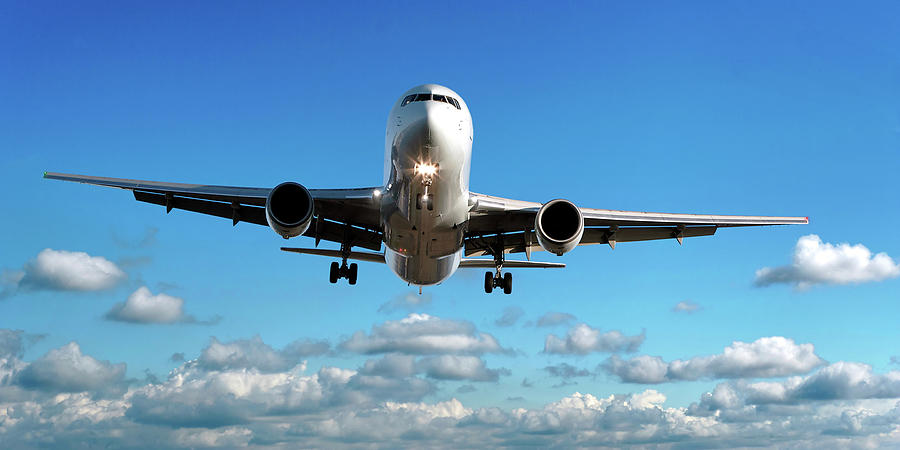
The entrance view, also referred to as the plan view, reveals the airplane from immediately in entrance of it, revealing its size and total form. This view is especially helpful for capturing the aircraft’s cockpit and nostril part. Consider it as standing on the gate, able to board the aircraft!
The highest view, or fowl’s-eye view, reveals the airplane from immediately above, highlighting its total form and wing construction. This view is ideal for illustrating the aircraft’s wingspan and the connection between its wings and tail.
The facet view, or profile view, reveals the airplane from the facet, revealing its top and angle of assault. This view is nice for capturing the aircraft’s fuselage and touchdown gear.
Exploring Totally different Views
Along with the usual entrance, prime, and facet views, there are various different distinctive views to contemplate when drawing an airplane. Listed here are a number of examples:
* A cockpit view, the place you are looking the window of the aircraft because it takes off or lands. This view requires a excessive stage of element and accuracy in capturing the instrument panel and controls.
* An engine perspective, the place you are trying on the aircraft’s engines from beneath or beside the wing. This view permits you to see the intricate particulars of the engines and the way they’re linked to the wing.
These distinctive views add an additional layer of realism and depth to your airplane paintings. By incorporating completely different views and angles, you possibly can create dynamic and interesting artwork that showcases the aircraft’s advanced construction and design.
Utilizing Perspective and Orthographic Projection
To attract airplanes from completely different angles and views, you may want to make use of perspective and orthographic projection strategies. Perspective is a approach of drawing a scene in order that objects seem smaller as they recede into the space. Orthographic projection, alternatively, entails making a 2D illustration of a 3D object utilizing a number of views.
When utilizing perspective to attract an airplane, you may need to create a vanishing level, which is a digital level on the horizon line that every one parallel strains seem to converge in direction of. This lets you create a way of depth and distance in your drawing.
For orthographic projection, you may create a number of 2D views of the airplane, equivalent to a entrance view, prime view, and facet view. These views are then mixed to create a 3D illustration of the aircraft.
By mastering these strategies, you’ll create extremely reasonable and detailed airplane paintings that showcases the intricate design and construction of the planes.
Examples of Distinctive Views
Let’s take a look at a number of examples of distinctive views and the way they can be utilized to create participating and dynamic artwork:
* A cockpit view of an airplane taking off, with the solar setting within the background and the controls and instrument panel seen within the foreground.
* An engine perspective of a aircraft, with the engines seen from beneath the wing and the intricate particulars of the engine nozzles and air consumption seen.
By incorporating completely different views and views into your paintings, you possibly can create a way of depth and realism that showcases the advanced construction and design of airplanes. So why not take to the skies and discover the world of airplane views? The chances are limitless, and with apply and persistence, you possibly can create beautiful paintings that may go away viewers in awe!
Mastering Proportions and Measurements in Airplane Drawing
Drawing an airplane with out consideration to proportions and measurements could make it appear like a cartoonish blob from outer house. Whereas creativity is important in artwork, on the subject of drawing airplanes, accuracy is essential to creating a sensible illustration. That is the place mastering proportions and measurements is available in – it is the key to creating your airplane drawings appear like they simply rolled off the meeting line.
Proportions and measurements are important in creating a sensible airplane as a result of they decide the general look and performance of the plane. A well-drawn airplane with correct proportions and measurements may have a convincing form, reasonable measurement, and a plausible cockpit and fuselage. However, a poorly drawn airplane with incorrect proportions and measurements can appear like a scorching mess.
Utilizing Measuring and Proportioning Instruments
To attract an airplane with correct proportions and measurements, you want the proper instruments. Measuring and proportioning instruments, equivalent to drawing grids and proportion strains, are important in serving to you get the measurements proper. A drawing grid is a community of strains that helps you create a proportional and balanced drawing, whereas a proportion line is a vertical or horizontal line that ensures your drawing is in proportion.
Drawing Grids
A drawing grid is a community of strains that helps you create a proportional and balanced drawing. To attract a grid, begin by drawing a sequence of horizontal and vertical strains in your paper. The strains must be evenly spaced and will create a grid-like sample. After getting your grid, use it as a information to attract your airplane’s form. By following the grid strains, you possibly can be sure that your drawing is proportional and balanced.
Proportion Strains
A proportion line is a vertical or horizontal line that ensures your drawing is in proportion. To attract a proportion line, select a degree in your drawing and draw a line that passes by way of that time and is parallel to both the x or y-axis. Use this line as a reference to make sure that your drawing is in proportion.
Examples of Effectively-Drawn Airplanes
To get a way of what a well-drawn airplane seems like, let’s check out some examples. A well-drawn airplane may have a convincing form, reasonable measurement, and a plausible cockpit and fuselage. The Boeing 737, for instance, is a well-drawn airplane that includes a modern and curved form, a big cockpit window, and a outstanding fuselage.
Measuring Proportions
Along with utilizing drawing grids and proportion strains, measuring proportions is an important step in creating a sensible airplane drawing. To measure proportions, divide your drawing into sections and measure the proportions of every part relative to the others. For instance, the fuselage is usually 3-4 instances the peak of the cockpit window, whereas the tail part is usually 1-2 instances the peak of the cockpit window.
Based on Boeing, the Boeing 737’s fuselage is 3.6 instances the peak of the cockpit window.
| Part | Proportion |
|---|---|
| Fuselage | 3-4 instances the peak of the cockpit window |
| Tail part | 1-2 instances the peak of the cockpit window |
In conclusion, mastering proportions and measurements is important in creating a sensible airplane drawing. Through the use of measuring and proportioning instruments, equivalent to drawing grids and proportion strains, you possibly can be sure that your drawing is proportionate and balanced. Bear in mind, it is all about getting the measurements proper, and with apply, you may be drawing airplanes like a professional very quickly!
Wrap-Up
With the information and abilities acquired from this information, you may be nicely in your option to creating beautiful airplane drawings. Bear in mind to apply and refine your abilities, being attentive to proportions, measurements, and particulars. Do not be afraid to experiment with completely different strategies and types to make your drawings really distinctive.
Widespread Queries
What’s the finest software program to make use of for drawing an airplane?
There are numerous drawing software program choices obtainable, together with Adobe Illustrator, SketchUp, and Autodesk Sketchbook. Select the one which most accurately fits your wants and talent stage.
How do I guarantee correct proportions in my airplane drawing?
Use measuring and proportioning instruments, equivalent to drawing grids and proportion strains, that can assist you preserve correct proportions and measurements.
What are some widespread errors to keep away from when drawing an airplane?
Some widespread errors embrace incorrect proportions, inaccurate measurements, and neglecting so as to add particulars equivalent to rivets and panel strains. Follow and persistence will aid you keep away from these errors.

