Draw Anime Characters, creating participating and distinctive characters is a elementary side of anime artwork. From proportions and measurements to facial expressions and physique language, the artwork of drawing anime characters is a complete and complicated course of that requires endurance, dedication, and follow.
This complete information will take you thru the important instruments and strategies required to create beautiful anime characters, together with the significance of reference photographs, the position of digital drawing software program, and the importance of consistency in sustaining a cohesive artwork fashion and narrative circulate.
Understanding the Fundamentals of Anime Artwork Type Improvement: How To Draw Anime Characters
Anime artwork fashion growth has turn out to be a definite and well known space throughout the world of animation and artwork. Its distinctive traits set it aside from different creative types and have captivated audiences worldwide.
Anime paintings has its roots in conventional Japanese artwork types, notably ukiyo-e woodblock prints and manga (Japanese comics). The distinct visible components that outline anime artwork have advanced over time, influenced by numerous historic and cultural contexts. These components contribute to the anime artwork fashion’s recognizable identification and have turn out to be a benchmark for artists who attempt to seize its essence.
The Key Traits of Anime Artwork Type
The anime artwork fashion is characterised by a number of distinct visible components that set it aside from different creative types. A few of these key traits embrace:
* Exaggerated facial expressions: Anime usually employs dramatic, exaggerated facial expressions to convey feelings and reactions.
* Massive eyes: Anime characters usually have massive, expressive eyes which might be usually proportionally bigger than their heads.
* Vibrant colours: Anime paintings usually options shiny, vibrant colours which might be used to create a dynamic and energetic visible ambiance.
* Dynamic poses: Anime characters are sometimes depicted in dynamic, energetic poses that convey motion and motion.
* Distorted proportions: Anime paintings usually employs distorted proportions, reminiscent of enlarged eyes, palms, or different physique elements, to emphasise feelings or create visible curiosity.
* Textures and patterns: Anime paintings usually incorporates textures and patterns so as to add depth and visible curiosity to its characters and environments.
The Evolution of Anime Artwork Type
The anime artwork fashion has undergone important adjustments over the centuries, influenced by numerous historic and cultural contexts. Listed below are three notable intervals of change within the evolution of anime artwork fashion:
* Traditional Period (1910s-Sixties): Throughout this era, anime artwork was closely influenced by conventional Japanese artwork types, reminiscent of ukiyo-e woodblock prints and manga. Traditional anime characters, like these created by Osamu Tezuka, featured easy, elegant designs that emphasised clear strains and minimal particulars.
* Mecha Period (Nineteen Seventies-Nineteen Eighties): The Mecha period noticed the rise of sci-fi anime, which launched a brand new era of anime artists to the world. Mecha anime, reminiscent of “Cellular Go well with Gundam” and “Macross,” featured intricate, detailed designs that emphasised equipment and know-how.
* Fashionable Period (Nineties-present): Fashionable anime artwork fashion has turn out to be more and more stylized, with a deal with exaggerated expressions, vibrant colours, and dynamic poses. Fashionable anime artists, reminiscent of Hajime Katoki and Toshihiro Kawamoto, have pushed the boundaries of anime artwork fashion, creating intricate, detailed designs that showcase their distinctive visions.
Stability between Realism and Stylization
Attaining a stability between realism and stylization is a big problem in anime artwork fashion growth. Realism refers back to the correct illustration of the bodily world, whereas stylization entails distorting or exaggerating actuality for creative impact.
* Case Examine 1: Leiji Matsumoto: Leiji Matsumoto is a famend anime artist recognized for his work on “House Battleship Yamato” and “Galaxy Specific 999.” Matsumoto’s artwork fashion emphasizes a stability between realism and stylization, with intricate particulars and dramatic expressions that add visible curiosity to his characters and environments.
* Case Examine 2: Hajime Katoki: Hajime Katoki is a contemporary anime artist recognized for his work on “Cellular Go well with Gundam” and “Ghost within the Shell.” Katoki’s artwork fashion prioritizes stylization, with exaggerated expressions, dynamic poses, and vibrant colours that create a extremely energetic visible ambiance.
These case research exhibit the significance of balancing realism and stylization in anime artwork fashion growth. By embracing the distinctive traits of anime artwork fashion whereas sustaining a contact of realism, artists can create visually putting and fascinating paintings that captivates audiences worldwide.
“Artwork is the one technique to run away with out leaving residence.” – Twyla Tharp
This quote echoes the sentiment that anime artwork fashion growth gives a singular outlet for creativity and self-expression, permitting artists to discover new worlds and concepts with out ever leaving their very own properties.
Important Instruments and Strategies for Drawing Anime Characters
In relation to creating anime characters, having the proper instruments and strategies is essential to deliver your creativeness to life. On this part, we are going to go over the important instruments and strategies mandatory to attract anime characters.
In drawing anime characters, proportions and measurements play an important position in creating lifelike and fascinating figures. Proportions seek advice from the connection between completely different physique elements, such because the ratio of the top to the physique or the dimensions of the limbs compared to the torso. Attaining correct proportions is important to keep away from creating characters that look unnatural or disproportionate.
Measuring and Drawing Proportions
To make sure correct proportions, it’s important to make use of a measuring approach. A technique to do that is by utilizing a grid system. Divide your paper into smaller squares, after which draw the character’s physique elements inside these squares. This can assist you make sure that the proportions are correct and constant. For instance, you should use the next ratios to attract the top, torso, and limbs:
- Head: 1 unit (e.g., sq.)
- Torso: 5-6 models
- Legs and arms: 2-3 models every
- Fingers and ft: 1-2 models every
By utilizing these ratios, you’ll be able to create characters with proportional physique elements.
Drawing Supplies and Instruments
There are numerous supplies and instruments you should use to attract anime characters, together with conventional media, digital drawing software program, and a mixture of each.
Conventional Drawing Supplies
Traditional drawing instruments embrace pencils, pens, markers, and paper. For anime characters, a wide range of instruments can be utilized, reminiscent of:
- Pencils: HB, 2B, 4B, F, and so on.
- Pens: Ballpoint pens, fine-tip pens, or brush pens
- Markers: Copic, Prismacolor, or Faber-Castell markers
- Paper: cartridge paper, watercolor paper, or scorching press paper
Every instrument has its distinctive traits and benefits, permitting you to experiment with completely different strategies and types.
Digital Drawing Software program
For contemporary drawing fans, digital drawing software program gives flexibility and comfort. Some widespread choices embrace:
- Clip Studio Paint: A flexible digital portray and comedian illustration instrument that’s extensively used amongst manga and anime artists.
- Adobe Photoshop: An expert digital portray and picture modifying software program that provides an enormous vary of instruments and options.
- MediBang Paint: A free digital portray and comedian illustration instrument that caters to manga and comedian fans.
These digital instruments present numerous options and capabilities that can assist you create anime characters, together with layers, brushes, and coloration administration.
Drawing Reasonable Eyes and Facial Expressions
Drawing lifelike eyes and facial expressions is essential to convey feelings and persona in anime characters. This may be achieved by means of the efficient use of shading and highlights:
To attract lifelike eyes, observe these steps:
• Use a mixture of fine-tip pens and markers to create intricate eye particulars, reminiscent of eyelashes and iris patterns.
• Mix shading across the eyes utilizing softer pencils or markers to create a pure, three-dimensional impact.
• Use highlights to create sparkle and shine within the eyes.
To attract lifelike facial expressions, take note of the proportions and placement of facial options, such because the eyes, eyebrows, nostril, and mouth. Use shading and highlights to create depth and dimension on the face, making it an important side of anime character design.
Designing and Creating Anime Character Ideas
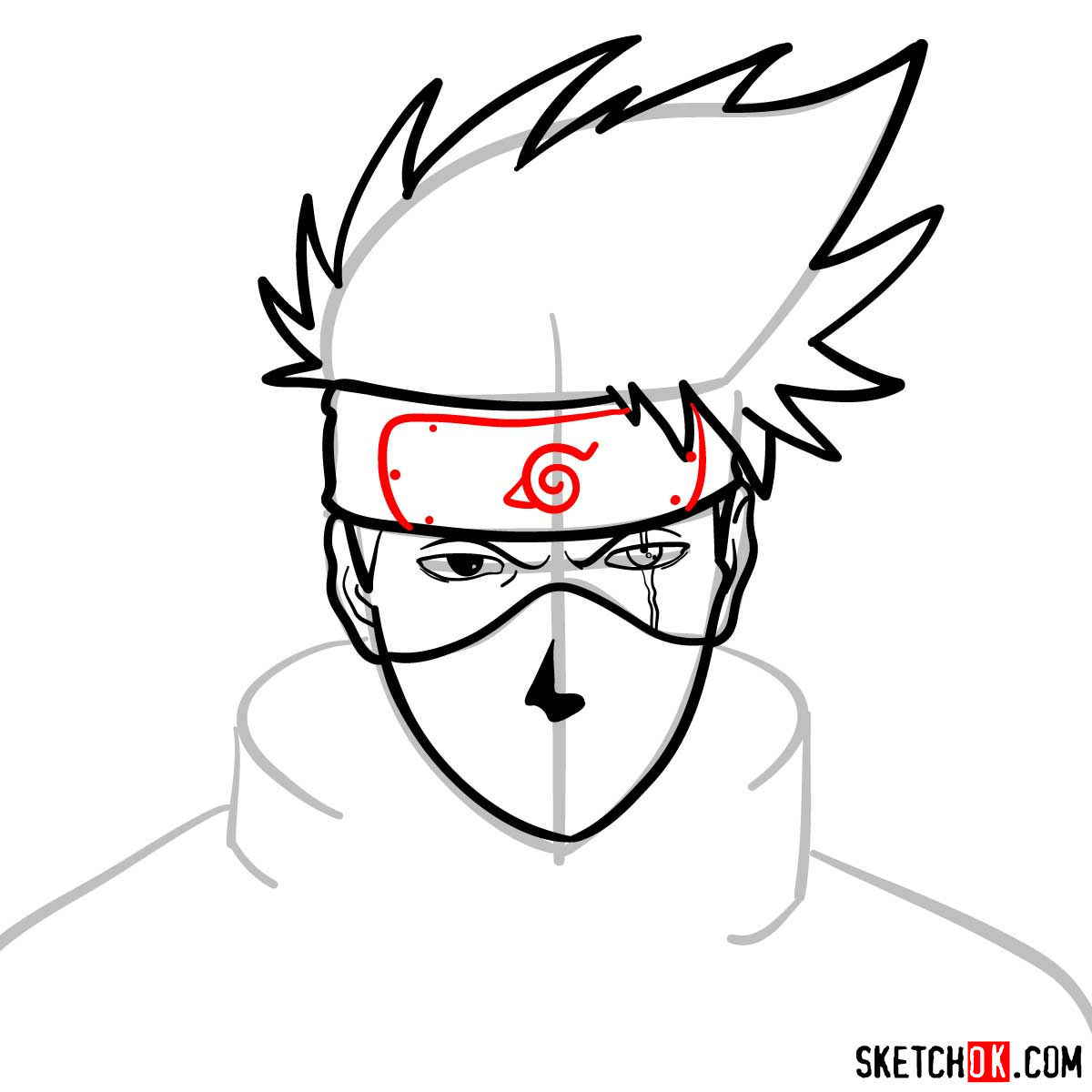
Designing an anime character idea entails a collection of steps that remodel a obscure concept right into a well-defined, participating character. The method begins with the brainstorming of character traits, persona, and backstory, which type the muse of the character’s identification. That is adopted by the sketching of tough prototypes, refining of the design, and finalization of the character’s look.
Making a Distinctive Character Idea
Creating a singular character idea requires a mixture of creativity, consideration to element, and a understanding of what makes a personality interesting. The method might be damaged down into a number of key components, together with persona, backstory, and bodily look. A well-designed character idea ought to be constant and coherent, with every factor working in concord to create a plausible and fascinating character.
- Character: A personality’s persona is the primary side of their idea to be developed. This will embrace traits reminiscent of their values, motivations, and flaws. A well-defined persona makes a personality extra relatable and memorable.
- Backstory: The character’s backstory gives context and depth to their persona. This will embrace their household, historical past, and previous experiences which have formed their present persona and actions.
- Bodily Look: The character’s bodily look is the primary side of their idea that’s visualized. This will embrace their facial options, physique proportions, and garments.
The Function of Reference Photographs
Reference photographs are an important instrument in creating compelling and plausible anime characters. They supply inspiration and reference factors for growing a personality’s design, and can be utilized to check the proportions, anatomy, and expressions of characters from completely different views. Utilizing reference photographs successfully requires a mixture of artistic imaginative and prescient and technical expertise.
- Examine Anatomy: Reference photographs can be utilized to check the proportions and anatomy of characters. This contains the location of facial options, physique proportions, and the best way clothes is draped on the physique.
- Observe Expressions: Reference photographs can be utilized to check how expressions are conveyed by means of facial options. This will embrace the form of the eyebrows, the type of the mouth, and the general form of the face.
- Gather Inspiration: Reference photographs can be utilized to gather inspiration for a personality’s design. This will embrace learning the types of different artists, the best way clothes is worn, and the best way characters work together with their surroundings.
Analyzing Anime Character Designs
Analyzing anime character designs requires a vital eye and a deep understanding of what makes a personality interesting. This will embrace learning the character’s proportions, anatomy, and expressions, in addition to their persona, backstory, and interactions. Analyzing completely different anime character designs might help determine what makes every character distinctive and interesting.
- Examine Proportions: Analyzing the proportions of a personality’s design might help determine what makes them interesting. This will embrace the location of facial options, physique proportions, and the best way clothes is draped on the physique.
- Analyze Anatomy: Analyzing a personality’s anatomy might help determine what makes them plausible. This will embrace the form of the face, the location of facial options, and the general form of the physique.
- Observe Interactions: Analyzing how a personality interacts with their surroundings and different characters might help determine what makes them participating. This will embrace their persona, backstory, and expressions.
Examples of Distinctive Anime Character Designs
There are lots of examples of distinctive anime character designs which have captured the hearts of audiences worldwide. Every character has their very own distinct persona, backstory, and visible look that units them aside from others.
- Lelouch Lamperouge from Code Geass: Lelouch is a putting instance of a well-designed anime character. His tall, lean construct and putting facial options make him a memorable character. His persona, backstory, and relationships with different characters add depth and complexity to his design.
- Edward Elric from Fullmetal Alchemist: Edward is one other well-designed anime character. His bodily look, together with his automail arm and leg, is putting and memorable. His persona, backstory, and relationships with different characters add depth and complexity to his design.
- Kirito from Sword Artwork On-line: Kirito is a singular and compelling anime character. His bodily look, together with his slender construct and iconic “Silver Hyperlink” sword, is memorable and distinctive. His persona, backstory, and relationships with different characters add depth and complexity to his design.
- Rias Gremory from Excessive Faculty DxD: Rias is a putting instance of a well-designed anime character. Her bodily look, together with her putting facial options and chic clothes, is memorable and interesting. Her persona, backstory, and relationships with different characters add depth and complexity to her design.
- Naruto Uzumaki from Naruto: Naruto is a beloved and iconic anime character. His bodily look, together with his distinctive orange jumpsuit and blonde hair, is memorable and distinctive. His persona, backstory, and relationships with different characters add depth and complexity to his design.
Illustrating Anime Scenes and Environments
In relation to creating immersive and fascinating anime scenes and environments, there are a number of key components to think about. Background components, texture, and ambiance all play a vital position in drawing the viewer in and conserving them invested within the story. On this part, we’ll discover the significance of consistency in drawing anime scenes, strategies for creating dynamic motion and motion, and supply a step-by-step tutorial on easy methods to create participating anime scenes and environments.
Creating Immersive Backgrounds
A well-crafted background could make or break the phantasm of a scene. To create a plausible background, goal for consistency in fashion, texture, and a focus to element. Listed below are some ideas that can assist you obtain a convincing background:
- Use reference photographs to assemble inspiration and particulars from real-world environments.
- Develop a constant coloration palette and magnificence to keep up a cohesive look all through the scene.
- Use texture and shading so as to add depth and dimension to your backgrounds.
- Take note of the rule of thirds and stability when inserting objects within the scene.
When creating backgrounds, take into consideration the temper and ambiance you need to convey. Would you like the scene to really feel darkish and ominous, or shiny and cheerful? Use your background components to bolster this temper and draw the viewer in.
Including Texture and Environment
Texture and ambiance can add a layer of depth and realism to your anime scenes. To create a plausible ambiance, contemplate the next strategies:
- Use gradient maps or layer mixing modes to create delicate, nuanced shading and texture.
- Experiment with completely different brush types and patterns to attain a singular, hand-drawn look.
- Take note of the lighting and shadows in your scene, utilizing them to create a way of depth and dimensionality.
- Use ambient occlusion or different strategies to create a way of quantity and three-dimensionality in your scene.
Bear in mind, the important thing to making a plausible ambiance is to concentrate to the small particulars. Use texture, shading, and lighting to create a way of depth and dimensionality in your scene, and you will be effectively in your technique to creating immersive anime scenes and environments.
Creating Dynamic Motion and Motion
In relation to creating dynamic motion and motion in anime scenes, velocity strains and movement blur are important instruments. To create plausible movement, contemplate the next strategies:
- Use velocity strains to convey the sense of motion and motion in a scene.
- Experiment with completely different brush types and strategies to attain a dynamic, kinetic look.
- Take note of the timing and circulate of your scene, utilizing velocity strains and movement blur to create a way of pressure and power.
- Use visible circulate and main strains to information the viewer’s eye by means of the scene.
When creating dynamic scenes, bear in mind to deal with the motion and power of the motion. Use velocity strains and movement blur to convey the sense of motion and motion, and you will be effectively in your technique to creating participating anime scenes and environments.
Finest Practices for Consistency and Circulate
Consistency and circulate are essential in the case of creating plausible anime scenes and environments. To keep up a cohesive artwork fashion and narrative circulate, contemplate the next greatest practices:
- Develop a constant coloration palette and magnificence all through your scene.
- Use reference photographs and analysis to make sure accuracy and authenticity in your scene.
- Take note of the stability and composition of your scene, utilizing the rule of thirds and main strains to information the viewer’s eye.
- Use visible circulate and pacing to create a way of pressure and power in your scene.
In relation to creating immersive anime scenes and environments, consistency and circulate are key. By taking note of the small particulars, utilizing reference photographs, and experimenting with completely different strategies, you may be effectively in your technique to creating plausible and fascinating anime scenes and environments.
Attaining Realism and Emotional Resonance, How to attract anime characters
Creating lifelike and emotionally resonant anime scenes and environments requires a deep understanding of the subject material and a dedication to authenticity. To attain this stage of realism, contemplate the next strategies:
- Use reference photographs and analysis to assemble data and particulars about the subject material.
- Develop a constant and genuine artwork fashion that displays the tone and temper of the scene.
- Take note of the subtleties of human emotion and conduct, utilizing facial expressions and physique language to convey the characters’ emotional states.
- Use visible storytelling strategies, reminiscent of composition and pacing, to information the viewer’s eye and create a way of pressure and emotional resonance.
In relation to creating lifelike and emotionally resonant anime scenes and environments, authenticity and a focus to element are key. By taking note of the small particulars, utilizing reference photographs, and experimenting with completely different strategies, you may be effectively in your technique to creating plausible and fascinating anime scenes and environments.
Ultimate Touches and Refining Your Type
Creating anime scenes and environments is a course of that requires endurance, follow, and dedication. To refine your expertise and create visually beautiful scenes, contemplate the next strategies:
- Experiment with completely different types and strategies to develop a singular and recognizable artwork fashion.
- Take note of the subtleties of type and composition, utilizing the rule of thirds and main strains to information the viewer’s eye.
- Use visible storytelling strategies, reminiscent of composition and pacing, to create a way of pressure and emotional resonance.
- Refine your expertise by working towards commonly and looking for suggestions from others.
In relation to refining your expertise and creating visually beautiful anime scenes and environments, experimentation and dedication are key. By pushing your self to strive new issues, taking note of the small particulars, and looking for suggestions from others, you may be effectively in your technique to creating plausible and fascinating anime scenes and environments.
Bringing Anime Characters to Life with Expression and Gesture
In relation to drawing anime characters, expression and gesture play a vital position in bringing them to life. A personality’s facial features and physique language can convey their feelings, persona, and intentions, making them extra relatable and fascinating. On this part, we’ll discover the importance of expression and gesture in anime characters, easy methods to convey feelings and persona by means of facial expressions and physique language, and supply a step-by-step information on creating lifelike and natural-looking anime character poses.
Expression and gesture are important components in anime character design, as they assist convey the character’s feelings, persona, and intentions. A well-executed expression and gesture could make a personality extra relatable and fascinating, whereas a poorly executed one could make the character appear flat and uninteresting. Efficient expression and gesture can even add depth and nuance to a personality’s persona, making them extra plausible and likable.
Conveying Feelings and Character by means of Facial Expressions
Facial expressions are an important side of anime character design, permitting artists to convey a variety of feelings and persona traits. A well-executed facial features can evoke a robust emotional response from the viewer, whereas a poorly executed one can come throughout as awkward or unnatural. To create lifelike and natural-looking facial expressions, artists should perceive the subtleties of human emotion and easy methods to convey them by means of visible illustration.
For instance, let’s take the character of Rias Gremory from the anime collection “Excessive Faculty DxD”. Rias’s facial expressions are characterised by a combination of sassiness and heat, which completely captures her assured and caring persona.
Creating Reasonable and Pure-Trying Anime Character Poses
Creating lifelike and natural-looking anime character poses requires a mixture of remark, reference photographs, and follow. Artists should research the pose of the character they’re drawing, taking note of the delicate angles and features that outline the pose. They have to additionally contemplate the character’s anatomy, considering the proportions and relationships between completely different physique elements. Lastly, artists should follow, follow, follow to develop the required expertise to create poses that look relaxed and pure.
This is a step-by-step information on creating lifelike and natural-looking anime character poses:
1. Examine reference photographs: Collect reference photographs of individuals in numerous poses, taking note of the angles and features that outline every pose.
2. Observe the anatomy: Examine the proportions and relationships between completely different physique elements, such because the backbone, shoulders, and hips.
3. Apply, follow, follow: Apply drawing completely different poses, taking note of the subtleties of every pose.
4. Contemplate the context: Consider the context through which the character is standing or sitting, as this will affect their pose.
5. Add subtlety: Keep away from stiff or awkward poses, choosing ones that look relaxed and pure.
Subtlety and Restraint in Drawing Anime Characters
Subtlety and restraint are important components in drawing anime characters, as they assist convey emotion and pressure with out resorting to cliché or over-the-top expressions. Efficient subtlety and restraint could make a personality extra plausible and fascinating, whereas a poorly executed subtlety or restraint can come throughout as awkward or unnatural.
Listed below are two examples of profitable restraint in animation:
* Rogue from the anime collection “Gundam Wing”: Rogue’s expressions are characterised by a delicate, nuanced vary of feelings, from calm to intense anger. His restraint is clear in the best way he conveys emotion by means of delicate adjustments in his facial features and physique language.
* Edward Elric from the anime collection “Fullmetal Alchemist”: Edward’s expressions are equally nuanced, conveying a variety of feelings from frustration to dedication. His restraint is clear in the best way he controls his feelings, utilizing delicate expressions to convey his emotions relatively than over-the-top reactions.
Organizing and Refining Anime Art work
Organizing and refining anime paintings is a vital step within the artistic course of. It entails revising and perfecting a bit to make sure it meets the artist’s imaginative and prescient and requirements. This course of not solely enhances the paintings’s general high quality but additionally helps the artist to develop their expertise and magnificence.
Significance of Modifying and Refining Anime Art work
Modifying and refining anime paintings is important to make sure that it meets the artist’s imaginative and prescient. Throughout this course of, the artist opinions their work, identifies areas that want enchancment, and makes mandatory changes. This will likely contain revising character designs, adjusting composition, and fine-tuning colours and textures. By refining their paintings, artists can:
* Improve the general aesthetic enchantment of their piece
* Enhance the storytelling and emotional affect of their paintings
* Develop their expertise and magnificence as artists
The Modifying Course of: A Step-by-Step Information
The modifying course of entails revising and perfecting a bit by means of a collection of steps. This is a step-by-step information to assist artists refine their anime paintings:
1. Assessment the piece: Begin by reviewing the paintings as a complete, figuring out areas that want enchancment.
2. Determine the issue: Break down the paintings into its particular person parts, reminiscent of character design, composition, and colours. Determine areas that want enchancment in every element.
3. Make changes: Based mostly on the recognized points, make mandatory changes to the character design, composition, and colours.
4. Consider the adjustments: Assessment the adjustments made and consider how they have an effect on the general paintings.
5. Refine the piece: Refine the paintings by making additional changes and fine-tuning particulars.
Organizing Digital Recordsdata and Art work
Managing digital information and paintings is important for environment friendly workflow and productiveness. Listed below are some strategies for organizing digital information and paintings:
- Use folders to categorize and separate completely different tasks and artworks. This helps to maintain the paintings organized and simply accessible.
- Use tags to label and categorize digital information and paintings. This helps to shortly determine and find particular information and artworks.
- Create backups of digital information and paintings to forestall loss in case of technical points or system crashes.
- Use exterior onerous drives or cloud storage to retailer and backup digital information and paintings.
By implementing these strategies, artists can effectively handle their digital information and paintings, saving time and growing productiveness.
The Function of Experimentation and Danger-Taking in Anime Artwork
Experimentation and risk-taking are important points of anime artwork. They permit artists to innovate and push the boundaries of their fashion and approach. Listed below are some strategies for experimenting and taking dangers in anime artwork:
-
“Experimentation is essential to development and growth as an artist.”
Attempt new strategies and types to find what works greatest for you.
- Take dangers and push the boundaries of your fashion and approach.
- Examine and analyze the work of different artists to achieve inspiration and perception.
- Collaborate with different artists to share concepts and strategies.
By embracing experimentation and risk-taking, artists can innovate and push the boundaries of their fashion and approach, resulting in new and thrilling creations.
Examples of Progressive Anime Artwork
Listed below are three examples of progressive anime artwork:
* Akira (1988) by Katsuhiro Otomo: This basic anime movie is thought for its groundbreaking animation and storytelling. The movie’s visuals had been in contrast to something seen earlier than, with its intricate particulars and atmospheric settings.
* Ghost within the Shell: Stand Alone Complicated (2002) by Masamune Shirow: This anime collection is thought for its progressive storytelling and visible fashion. The collection’ use of futuristic settings and characters pushed the boundaries of anime artwork and storytelling.
* Psycho-Move (2012) by Gen Urobuchi: This anime collection is thought for its distinctive mix of science fiction and psychological thriller components. The collection’ use of futuristic settings and characters, together with its advanced storytelling, made it a standout within the anime world.
These examples exhibit the significance of innovation and risk-taking in anime artwork. By embracing new concepts and strategies, artists can create thrilling and groundbreaking works that push the boundaries of the artwork type.
Ultimate Assessment
By following the steps Artikeld on this information, you may achieve a deeper understanding of the intricacies of anime artwork and be geared up with the abilities to create fascinating characters and scenes. Whether or not you are a seasoned artist or simply beginning out, the data and strategies shared on this information will assist you to unlock your full artistic potential and produce your anime characters to life.
Widespread Queries
Q: What are the important instruments and strategies for drawing anime characters?
A: The important instruments and strategies for drawing anime characters embrace pencils, paper, digital drawing software program, and an intensive understanding of proportions, measurements, and facial expressions.
Q: How do I enhance my anime drawing expertise?
A: Enhancing your anime drawing expertise requires follow, endurance, and dedication. Examine the work of different artists, experiment with completely different strategies, and take on-line programs or workshops to be taught new expertise.
Q: What’s the significance of reference photographs in anime artwork?
A: Reference photographs are important in anime artwork as they assist artists create lifelike and correct depictions of characters, scenes, and environments, making certain consistency and cohesion of their work.
Q: How do I preserve consistency in my anime artwork fashion and narrative circulate?
A: Sustaining consistency in your anime artwork fashion and narrative circulate requires cautious planning, consideration to element, and a dedication to high quality management. Use reference photographs, set up a coloration palette, and cling to a constant drawing fashion to keep up a cohesive visible identification.

