Kicking off with easy methods to make cider apple vinegar, this opening paragraph is designed to captivate and have interaction the readers, setting the tone for what’s to return.
The manufacturing of cider apple vinegar includes a multi-step course of that requires cautious consideration of elements, strategies, and gear. From deciding on the best kind of apples to monitoring temperature and pH ranges throughout fermentation, each element issues in making a high-quality closing product.
Understanding the Fundamentals of Cider Apple Vinegar Manufacturing
Cider apple vinegar is a well-liked ingredient in varied cuisines all over the world, recognized for its distinctive taste and quite a few well being advantages. To supply high-quality cider apple vinegar, it is important to know the fundamental elements and processes concerned in its manufacturing.
Important Substances Required for Making Cider Apple Vinegar
The first elements required for making cider apple vinegar are apples, water, and a mom of vinegar (MOV), also called the ‘mom’, which is a gelatinous, fibrous mass of micro organism and yeast. The MOV serves as a pure catalyst for fermentation, changing the sugars within the apple juice into acetic acid, the principle compound present in vinegar. Moreover, yeast is an important element within the fermentation course of, liable for changing the sugars within the apple juice into alcohol.
- Apples: Cider apples are particularly chosen for making cider apple vinegar because of their distinctive mix of sugar, acid, and tannins. The tannins contribute to the wine’s bitterness and astringency, whereas the sugars present the mandatory power for fermentation.
- Water: Water is added to dilute the apple juice to the specified energy for fermentation. The water additionally helps to stop an over-acidification of the cider.
- Yeast: Yeast converts the sugars within the apple juice into alcohol, which is then transformed into acetic acid by the MOV. The sort and quantity of yeast used can considerably influence the flavour and high quality of the ultimate product.
- Mom of Vinegar (MOV): The MOV is a crucial element within the fermentation course of, changing the alcohol produced by the yeast into acetic acid. The MOV could be obtained from a industrial vinegar producer or created by means of a pure fermentation course of.
Significance of Deciding on the Proper Sort of Apples
Choosing the proper kind of apples for cider apple vinegar manufacturing is essential, because it considerably impacts the flavour and high quality of the ultimate product. Cider apples usually have a better tannin content material and a extra complicated taste profile than dessert apples. Some in style cider apple varieties embrace Kingston Black, Dabinett, and Yarlington Mill. The apples needs to be ripe and recent when picked to make sure optimum fermentation.
Variations Between Conventional and Fashionable Cider Apple Vinegar Manufacturing Strategies
Conventional cider apple vinegar manufacturing includes a sluggish, pure fermentation course of that takes a number of months to finish. In distinction, fashionable industrial manufacturing strategies usually make use of sooner fermentation strategies utilizing specialised gear and yeast strains. Whereas conventional strategies can produce a higher-quality closing product, they require extra time, effort, and assets.
Function of Yeast and Micro organism within the Fermentation Course of
Yeast and micro organism play important roles within the fermentation course of, changing the sugars within the apple juice into acetic acid and different compounds that contribute to the ultimate product’s taste and high quality. The yeast converts the sugars into alcohol, which is then transformed into acetic acid by the MOV. This course of, often known as acetic acid fermentation, is liable for the distinctive taste and aroma of cider apple vinegar.
Significance of Monitoring Temperature and pH Ranges Throughout Fermentation
Monitoring temperature and pH ranges throughout fermentation is crucial to make sure optimum manufacturing. The best temperature vary for fermentation is between 15°C and 20°C, whereas the pH degree needs to be round 2.5-3.5. If the temperature or pH degree turns into too excessive or too low, it could actually negatively influence the fermentation course of and have an effect on the ultimate product’s high quality.
Manufacturing Strategies Utilized in Totally different Areas and Cultures
Cider apple vinegar manufacturing strategies differ throughout varied areas and cultures. In some international locations, such because the UK and USA, conventional sluggish fermentation strategies are nonetheless employed, whereas in others, like Japan and Korea, fashionable industrial manufacturing strategies are used. The distinctive manufacturing strategies and elements utilized in totally different areas end in distinctive taste profiles and textures of the ultimate product.
Fermentation and Maturation Course of: How To Make Cider Apple Vinegar
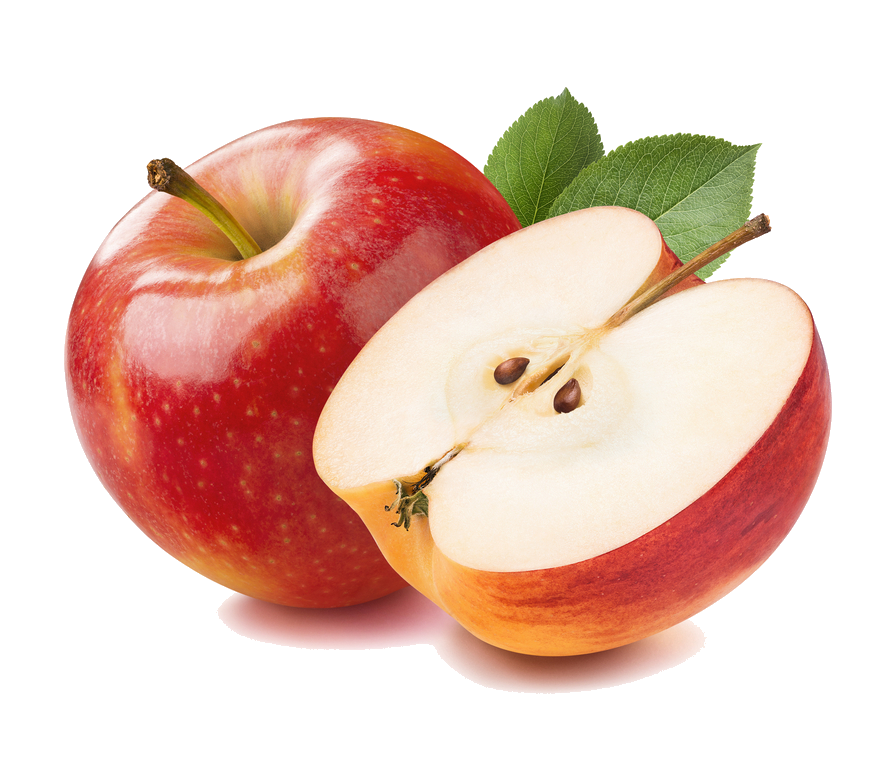
When making cider apple vinegar, the fermentation and maturation course of is essential in figuring out the ultimate product’s taste, high quality, and traits. This stage includes the transformation of the cider’s sugars into acetic acid by wild yeast and micro organism, which contributes to the event of the vinegar’s distinctive style and aroma.
The Function of Wild Yeast and Micro organism, The right way to make cider apple vinegar
Wild yeast and micro organism play an important position within the fermentation course of, appearing as microorganisms that convert the cider’s sugars into acetic acid. This course of is crucial for producing the attribute taste and aroma of cider apple vinegar. The wild yeast and micro organism that naturally happen on the apples, within the air, and on gear contribute to the fermentation course of, permitting the cider to develop its distinctive taste profile. The varieties of wild yeast and micro organism current will have an effect on the ultimate product’s character and high quality, influencing the event of the acetic acid and the general taste of the vinegar.
Totally different Phases of Fermentation
The fermentation course of in cider apple vinegar manufacturing could be divided into a number of phases, together with the acetic acid section and the maturation section.
- Major Fermentation (Acetic Acid Section): On this stage, the wild yeast and micro organism current within the cider convert the sugars into acetic acid, leading to a lower within the cider’s pH degree.
- Secondary Fermentation (Maturation Section): Throughout this stage, the vinegar is left to mature for an prolonged interval, permitting it to develop its taste and aroma. This stage is important, because it permits the acetic acid to completely develop and mellow, leading to a smoother and extra complicated taste.
Monitoring the Fermentation Course of
To make sure the fermentation course of is continuing accurately, it is important to watch its progress. A technique to do that is through the use of a hydrometer to measure the acidity degree of the cider. You may also examine the pH ranges to make sure they’re inside the optimum vary for fermentation.
The Significance of Persistence
Persistence is essential with regards to the fermentation and maturation course of. It takes time for the cider to develop its distinctive taste and aroma, and dashing the method may end up in an inferior product. Permitting the cider to mature for an prolonged interval will guarantee it reaches its full potential and develops the attribute taste and high quality of cider apple vinegar.
Clarifying and Filtering the Cider Apple Vinegar
After the fermentation and maturation course of, it is necessary to make clear and filter the cider apple vinegar to take away any sediment and impurities. There are a number of strategies for clarifying and filtering, together with utilizing charcoal and membrane filtration.
- Charcoal Filtration: Charcoal can be utilized to filter the cider apple vinegar, eradicating impurities and sediment. This methodology is efficient in producing a transparent and easy vinegar.
- Membrane Filtration: Membrane filtration is one other methodology used to make clear and filter the cider apple vinegar. This course of makes use of a semi-permeable membrane to take away impurities and sediments, leading to a transparent and easy product.
Bottling and Storage
Correct bottling and storage of cider apple vinegar are essential steps in sustaining its high quality and making certain a protracted shelf life. Cider apple vinegar is a liquid, and as with every liquid, it is vulnerable to degradation because of publicity to oxygen, which might result in spoilage and have an effect on its taste, coloration, and general high quality.
Function of Oxygen in Degradation
Oxygen is a serious contributor to the degradation of cider apple vinegar. When cider apple vinegar is uncovered to air, the oxygen reacts with the acetic acid content material, inflicting it to interrupt down and change into weaker. This will result in an disagreeable taste, aroma, and coloration. To reduce the results of oxygen on cider apple vinegar, bottling and storage have to be accomplished fastidiously to stop publicity to air.
Sorts of Bottles and Containers
When deciding on bottles and containers for storing cider apple vinegar, contemplate the kind of materials and its potential to stop oxidation. Glass bottles are a preferred alternative because of their non-reactive nature, which ensures that the cider apple vinegar shouldn’t be contaminated by any chemical residues. Darkish-tinted glass bottles are additionally useful as they filter out UV gentle, which might trigger the cider apple vinegar to degrade.
- Bottles made out of dark-tinted glass or brown glass are perfect for storing cider apple vinegar as they filter out UV gentle.
- Use glass bottles with tight-fitting corks or screw-top lids to stop air from penetrating the bottle.
Labeling and Packaging for Distribution
When labeling and packaging cider apple vinegar for distribution, comply with the rules set by native well being and security authorities. Embrace important info such because the identify of the product, elements, directions to be used, and any related warnings. Use clear and concise language, and make sure that the packaging is sturdy and protected for transportation.
Conventional practices for storing and serving cider apple vinegar contain storing it in a cool, darkish place, away from direct daylight. Serving cider apple vinegar is usually accomplished diluted with water, with a really useful ratio of 1 half cider apple vinegar to 2 components water.
Extra Ideas
Some extra ideas for bottling and storing cider apple vinegar embrace making certain the bottles are clear and dry earlier than filling, storing bottles in a cool, dry place, and maintaining bottles away from strong-smelling meals or chemical compounds, which might switch their aromas to the cider apple vinegar.
Closing Notes
In conclusion, making cider apple vinegar is a rewarding course of that requires persistence, dedication, and a spotlight to element. With the best elements and gear, in addition to a transparent understanding of the fermentation and maturation course of, even probably the most novice fermenter can produce a scrumptious and distinctive cider apple vinegar.
Fast FAQs
Q: What are the important elements required for making cider apple vinegar?
A: The first elements for making cider apple vinegar are apples, yeast, and micro organism.
Q: Can I exploit any kind of apple for cider apple vinegar manufacturing?
A: No, sure varieties of apples are higher fitted to cider apple vinegar manufacturing than others. Search for apples which can be excessive in tannins and acidity, reminiscent of crabapples.
Q: Why is fermentation temperature vital in cider apple vinegar manufacturing?
A: Fermentation temperature impacts the flavour and high quality of the ultimate product. Ideally, fermentation temperatures ought to fall between 64°F and 75°F (18°C and 24°C).
Q: Can I pace up the fermentation course of?
A: No, it isn’t really useful to speed up the fermentation course of. This may end up in an disagreeable taste and negatively influence the standard of the ultimate product.
Q: How lengthy does it take for cider apple vinegar to mature?
A: The maturation time for cider apple vinegar can fluctuate relying on elements reminiscent of temperature and storage situations, however usually falls between 6-12 months.

