Learn how to plant succulents –
Learn how to plant succulents is a complete information that may stroll you thru the method of making a thriving succulent backyard, from the basic rules of succulent cultivation to the right methods for planting and caring for these distinctive crops.
Succulents have turn into more and more common in recent times, and for good motive. Not solely are they low-maintenance and simple to look after, however in addition they are available in a variety of shapes, sizes, and colours, making them a flexible and classy addition to any room.
Succulent gardening is a novel and rewarding interest that requires cautious consideration of the atmosphere and plant-specific wants. Succulents are tailored to dwell in areas with restricted water availability, making them preferrred for indoor and out of doors areas with various ranges of moisture. By understanding the basic rules of succulent cultivation, you may create thriving and visually interesting gardens that convey pleasure and leisure to your dwelling area.
With regards to soil composition, succulents require a well-draining combine that forestalls waterlogged soil and root rot. An excellent potting combine for succulents ought to comprise a stability of sand, peat moss, and perlite, permitting for environment friendly water absorption and air circulation. Temperature can be a vital think about succulent care, with most species requiring daytime temperatures between 65-75°F (18-24°C) and nighttime temperatures round 55-65°F (13-18°C).
To create a great soil composition to your succulents, combine collectively:
- A minimal of fifty% sand for wonderful drainage
- 20-30% peat moss for water retention and acidity regulation
- 10-20% perlite or vermiculite for aeration and water absorption
- Potassium and magnesium-rich fertilizers could be added to advertise wholesome progress and plant hardiness
A well-balanced potting combine supplies the mandatory construction and help to your succulents to thrive. Common soil testing can assist you establish and deal with any nutrient deficiencies, guaranteeing your crops obtain the important micronutrients for optimum well being and progress.
Most succulents choose temperatures between 65-75°F (18-24°C) through the day, whereas nighttime temperatures round 55-65°F (13-18°C) promote wholesome progress and growth. Understand that some succulent species, resembling Aloe and Echeveria, can tolerate larger temperatures as much as 80°F (27°C), however nonetheless require constant temperatures above 55°F (13°C) for optimum progress.
Over-watering is the first reason behind loss of life in succulents. Water your crops sparingly, permitting the soil to dry out fully between waterings. The frequency of watering is determined by components resembling humidity, temperature, and potting combine composition, however a great rule of thumb is to water as soon as per week through the summer season months and as soon as each 10-14 days through the winter months. Verify the soil moisture by sticking your finger into the soil as much as the primary knuckle – if the soil feels dry, it is time to water.
With over 60 recognized species, choosing the precise succulent to your atmosphere could be a daunting activity. Listed here are some common varieties appropriate for various environments:
- Echeveria (desert crops requiring excessive daylight and rare watering)
- Aloe vera (indoor plant requiring vibrant, oblique gentle and rare watering)
- Kalanchoe (tolerating excessive temperatures and low humidity, good for heat climates)
- Crassula (compact, slow-growing plant preferrred for indoor and shaded areas)
- String of Pearls (easy-to-grow, low-maintenance plant appropriate for indoor areas with various gentle ranges)
Analysis every species’ particular wants and adapt your gardening routine accordingly to make sure the absolute best progress and well being to your succulent assortment.
When dealing with and transporting succulents, keep away from sudden drops and actions that may trigger bodily injury. Gently raise the plant by the bottom of the stem, slightly than the leaves, to forestall breaking or bruising. For longer transportation intervals, safe the plant in a breathable container or plastic bag to keep up humidity and forestall dehydration. Hold the plant in a shaded space and monitor its situation steadily to forestall heat-related stress. Often examine the plant’s leaves and stems for indicators of harm or illness, and deal with any points promptly to forestall additional hurt.
Soil Preparations for Succulent Planting
With regards to rising succulents, the precise soil could make all of the distinction. Succulents are tailored to thrive in dry, well-draining environments, usually with little natural matter. To copy this atmosphere, you will need to use a soil combine that is particularly designed for succulents. However what makes a great succulent soil, and the way do you create one at dwelling?
TYPES OF SUCCULENT SOIL MIXES, Learn how to plant succulents
Whereas there are numerous business succulent soil mixes accessible, it is price wanting on the elements and pH ranges to make sure they meet your wants. Industrial succulent mixes usually comprise a mix of peat moss, perlite, vermiculite, and sand. Nonetheless, these mixes could be costly and should comprise components which can be pointless for succulents.
One common possibility is a cactus and succulent combine, which generally has a pH stage between 6.0 and seven.0. This combine is designed to advertise wholesome root progress whereas offering good drainage. Nonetheless, some succulents might require roughly acidic circumstances.
Another choice is a common objective potting soil that is been amended with perlite or vermiculite. Perlite is a volcanic glass that expands when heated and supplies wonderful drainage, whereas vermiculite is a mineral that retains some moisture whereas nonetheless permitting for good drainage. A common objective potting soil could be a cost-effective possibility, however it might require extra amendments to attain optimum outcomes.
CREATING A WELL-DRAINING SUCCULENT SOIL MIX AT HOME
Making your individual succulent soil combine at dwelling could be a enjoyable and cost-effective method to make sure that your crops get the very best begin attainable. This is a easy recipe to get you began:
Elements:
– 1 half peat moss
– 1 half perlite or vermiculite
– 1 half coarse sand
– Non-obligatory: fertilizer, slow-release nitrogen, or different components
Directions:
1. Combine the peat moss and perlite or vermiculite collectively till effectively mixed.
2. Add the coarse sand and blend till the elements are evenly distributed.
3. If desired, add fertilizer or different components to the combination.
4. Switch the combination to a container or bag and retailer in a cool, dry place.
REPURPOSING OLD POTTING SOIL FOR SUCCULENTS
When you have outdated potting soil available, it is price contemplating how one can repurpose it for succulents. Whereas it is unlikely that the soil might be optimum for succulents, it is usually price giving it a shot, particularly if it has been well-draining and has already been amended with different elements.
Earlier than repurposing outdated potting soil, be certain to sterilize it first. This may kill any current pests or ailments and forestall them from spreading to your succulents.
Sterilization strategies:
1. Bake the potting soil in a 300°F oven for half-hour to an hour.
2. Soak the potting soil in sizzling water for a number of hours to kill any pests or ailments.
3. Add 1% to five% of a pure antimicrobial agent like neem oil or tea tree oil to the potting soil and blend effectively.
As soon as sterilized, you may amend the outdated potting soil with extra elements like perlite or vermiculite to enhance its drainage. You may additionally want so as to add fertilizers or different vitamins to make sure that your succulents obtain the vitamins they should thrive.
| Materials | Description | Optimum pH Degree |
|---|---|---|
| Peat Moss | Acidic, retains moisture | 4.5-6.0 |
| Perlite | Impartial, wonderful drainage | 6.0-7.0 |
| Vermiculite | Impartial, retains some moisture | 6.0-7.0 |
| Cactus and Succulent Combine | Impartial, promotes wholesome root progress | 6.0-7.0 |
Planting Strategies for Succulents
With regards to planting succulents, correct methods are important to make sure wholesome progress and forestall injury. Succulents are recognized for his or her delicate roots, so dealing with them with care is essential. Begin by choosing an appropriate container that gives good drainage, as succulents are susceptible to root rot if the soil is simply too moist.
Depth and Spacing of Planting
The depth and spacing of planting are crucial for succulent progress. When planting succulents, preserve the crown (the place the leaves meet the stem) above the soil stage. This enables for higher air circulation and prevents water from accumulating within the crown. As for spacing, most succulents require about 2-4 inches between every plant. Nonetheless, some species, like aloe and agave, could be planted nearer collectively, about 1-2 inches aside.
- Plant the succulent on the similar depth because it was within the unique pot to keep away from exposing the roots.
- Depart sufficient area between every plant to permit for correct air circulation and forestall the unfold of ailments.
- Use a well-draining potting combine to forestall water from accumulating within the soil.
Gently Dealing with Roots Throughout Planting
Gently dealing with the roots throughout planting is important to forestall injury. When planting succulents, rigorously take away the plant from its pot and gently separate the roots together with your fingers or a blunt instrument. Ensure that to not injury or tear the roots, as this could result in a sluggish restoration course of for the plant.
- Gently wash the roots to take away any extra soil and particles.
- Fastidiously separate the roots together with your fingers or a blunt instrument, ensuring to not injury them.
- Trim any broken or useless roots with a pair of sterile scissors or pruning shears.
Burying Succulent Leaves
Burying succulent leaves can promote wholesome progress and forestall decay. Nonetheless, this system requires warning and correct execution. When burying succulent leaves, be certain the leaves are totally submerged within the soil, and the soil is well-draining to forestall water buildup.
- Bury solely the decrease leaves, leaving the highest two or three leaves uncovered to gentle.
- Ensure that the soil is well-draining to forestall water buildup and root rot.
- Water the succulent sparingly after planting, permitting the soil to dry out fully between waterings.
When doubtful, it is higher to err on the aspect of warning and under-water than to over-water and threat root rot.
Frequent Succulent Planting Errors
When planting succulents, many individuals make errors that may result in the loss of life of those lovely crops. Regardless of their low-maintenance popularity, succulents could be finicky and require particular care to thrive. On this part, we are going to talk about the commonest errors made when planting succulents and the best way to keep away from them.
Overwatering: The Silent Killer
Overwatering is the commonest mistake when planting succulents. It may well result in root rot, a situation the place the roots of the plant turn into waterlogged and begin to rot. This may be attributable to watering the plant too usually, utilizing an excessive amount of water, or not permitting the soil to dry out between waterings. Based on the American Society for Horticultural Science, overwatering is accountable for as much as 90% of succulent deaths.
- Signs of overwatering embrace gentle, mushy leaves and a weak, limp stem.
- Root rot could be attributable to bacterial or fungal infections, or by the roots turning into waterlogged.
Underwatering: A Frequent False impression
Whereas it might appear counterintuitive, underwatering could be simply as detrimental to succulents as overwatering. Succulents require a sure stage of moisture to thrive, and if the soil turns into too dry, they will turn into dehydrated and careworn. This could result in leaf drop and a lower in general plant well being.
- Signs of underwatering embrace crispy, wrinkled leaves and a pale, yellowish colour.
- Underwatering could be attributable to failing to water the plant commonly or through the use of a potting combine that doesn’t retain moisture effectively.
Poor Soil Choice: A Recipe for Catastrophe
Utilizing the incorrect soil could be detrimental to succulents. They require a well-draining potting combine that permits extra water to flee, stopping waterlogged soil. Utilizing common potting soil can result in root rot and quite a lot of different issues.
- Signs of poor soil choice embrace sluggish progress, yellowing leaves, and a common decline in plant well being.
- Utilizing a potting combine particularly designed for cacti and succulents can assist stop many widespread issues.
Ideas for Avoiding Errors
To keep away from widespread errors when planting succulents, comply with the following pointers:
- Water your succulents sparingly, permitting the soil to dry out between waterings.
- Use a well-draining potting combine particularly designed for cacti and succulents.
- Present your succulents with vibrant, oblique gentle and temperatures between 60-80°F (15-27°C).
- Fertilize your succulents sparingly, as they’re delicate to overfertilization.
By following the following pointers and avoiding widespread errors, you may create a wholesome succulent backyard that may thrive for years to come back.
Succulent Care and Upkeep
Succulents are low-maintenance crops that thrive with minimal care. Watering, fertilizing, and pruning are the basic rules of succulent care. By following these easy steps, you may preserve your succulents wholesome and vibrant.
Watering
Watering succulents is an artwork that requires endurance and a focus to element. It is important to water your succulents appropriately to forestall overwatering, which might result in root rot and different issues. Listed here are some suggestions that can assist you water your succulents appropriately:
- Water your succulents sparingly, permitting the soil to dry out fully between waterings.
- Water your succulents within the morning, so the crops have the complete day to dry out.
- Verify the soil moisture by sticking your finger into the soil as much as the primary knuckle. If the soil feels dry, it is time to water.
- Water your succulents on the base of the plant, avoiding the leaves to forestall fungal ailments.
Fertilizing
Fertilizing your succulents is a good way to offer them with important vitamins. Succulents require a balanced fertilizer that promotes wholesome progress and growth. Listed here are some suggestions that can assist you fertilize your succulents appropriately:
- Fertilize your succulents through the rising season (spring and summer season) with a balanced fertilizer that comprises equal components nitrogen, phosphorus, and potassium (NPK).
- Cut back fertilization through the dormant season (fall and winter) to forestall over-fertilization, which might injury the plant.
- Dilute the fertilizer to half the beneficial power to forestall burning the roots.
- Water your succulents after fertilizing to assist the fertilizer take up into the soil.
Pruning
Pruning your succulents is a vital step in sustaining their form and selling wholesome progress. Listed here are some suggestions that can assist you prune your succulents appropriately:
- Take away useless or dying leaves and stems to forestall the unfold of illness and pests.
- Trim again overgrown succulents to keep up their form and promote wholesome progress.
- Take away any offsets or child crops to encourage the mom plant to provide extra offsets.
- Use a pointy, sterile instrument to prune your succulents to forestall the unfold of illness and an infection.
Repotting
Repotting your succulents is a good way to offer them a contemporary begin and supply them with a bigger pot to develop in. Listed here are some suggestions that can assist you repot your succulents appropriately:
| Device | Description |
|---|---|
| Repotting gloves | Defend your fingers from the sharp edges of the pot and the spines of the succulent. |
| Repotting instrument | A instrument that helps you gently take away the succulent from its pot and place it in a brand new one. |
| Pot | A pot that’s barely bigger than the earlier one to offer the succulent with sufficient room to develop. |
Artistic Show
Succulents are versatile crops that may be displayed in quite a lot of methods. Listed here are some inventive methods to show and organize succulents:
- Indoor Backyard: Create a lovely indoor backyard by grouping succulents collectively in an ornamental pot or on a tray.
- Out of doors Shows: Show succulents in a backyard or on a patio so as to add a pop of colour and texture to your out of doors areas.
- Residing Partitions: Create a dwelling wall by attaching succulents to a trellis or a wall-mounted planter.
Designing Your Succulent Show
When designing your succulent show, take into account the next suggestions:
- Select quite a lot of succulents with totally different shapes, sizes, and colours to create a visually fascinating show.
- Group succulents collectively in a method that creates a visually interesting sample or form.
- Contemplate the lighting and temperature necessities of your succulents when designing your show.
Propagating Succulents
Propagating succulents is an thrilling course of that permits you to share your favourite crops with family and friends or create new, distinctive hybrids. With correct method and care, you may efficiently propagate succulents utilizing varied strategies, together with leaf and stem cuttings, division, and seed germination.
Strategies of Succulent Propagation
There are a number of strategies of propagating succulents, every with its personal benefits and necessities.
- Leaf Cuttings: This technique includes eradicating wholesome leaves from the mom plant and permitting them to dry out for just a few days earlier than planting. The leaf ought to be lower in a method that leaves a small portion of stem hooked up, permitting it to kind a callus and finally root.
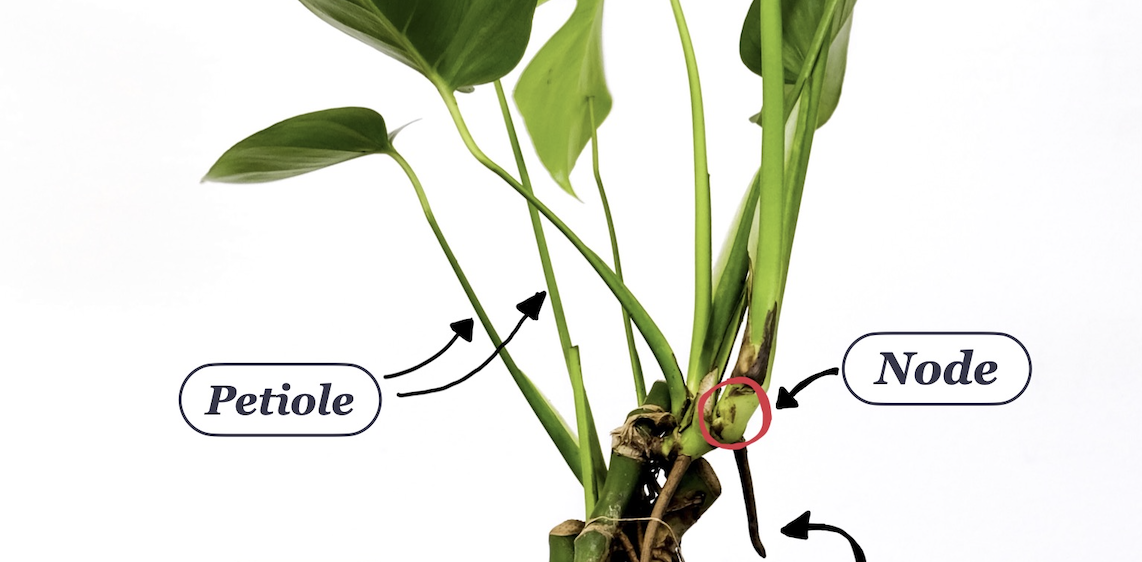
- Stem Cuttings: This technique includes chopping stem sections from the mom plant, ensuring to incorporate not less than two nodes (the joint the place the leaf meets the stem). The lower finish ought to be allowed to dry out for just a few days earlier than planting.
- Division: This technique includes separating the roots of mature succulent crops, taking care to not injury them. The separated part ought to have sufficient roots and leaves to thrive by itself.
- Seed Germination: This technique includes sowing succulent seeds in a well-draining potting combine and offering them with the precise circumstances for germination. The seeds ought to be planted at a depth of about 1-2 mm and watered flippantly.
When choosing seeds, select wholesome, contemporary seeds which can be free from mould and decay. Sow the seeds on the floor of the potting combine, and preserve a constant temperature of round 75-85°F (24-29°C) and excessive humidity till germination happens. Present sufficient gentle and look after the seedlings as soon as they’ve emerged.
Significance of Method and Care
Correct method and care are important for profitable succulent propagation. Temperature, humidity, and light-weight necessities range relying on the strategy used, and neglecting these components can result in failure.
Most succulent species require temperatures between 65-75°F (18-24°C) for optimum rooting, whereas some species might require hotter or cooler temperatures.
When propagating succulent leaves or stems, make sure that the chopping is not less than 1-2 inches lengthy, with not less than two nodes. This may improve the possibilities of profitable rooting. For seed germination, preserve excessive humidity (round 90%) and supply sufficient gentle.
Ideas for Profitable Succulent Propagation
To extend the possibilities of profitable succulent propagation, comply with the following pointers:
- Choose wholesome mom crops with sturdy progress, vibrant colours, and well-developed roots.
- Stop widespread errors, resembling overwatering or underwatering, and offering insufficient gentle.
- Present a balanced fertilizer schedule to advertise wholesome progress.
- Monitor the temperature, humidity, and light-weight necessities for the particular propagation technique.
- Be affected person and chronic, as succulent propagation can take time and should require repeated makes an attempt.
By following these tips and offering the precise circumstances, you may efficiently propagate succulents and luxuriate in a thriving, various assortment of those fascinating crops.
Pests and Illnesses in Succulents
Succulents are fascinating crops that thrive in quite a lot of environments, however they don’t seem to be resistant to pests and ailments. Frequent points that have an effect on succulents embrace mealybugs, spider mites, and root rot, which might trigger vital injury if left unchecked. On this part, we’ll discover the widespread pests and ailments that have an effect on succulents, together with their signs and penalties.
Frequent Pests
With regards to pests, succulents are not any exception. Mealybugs, spider mites, and aphids are among the many most prevalent offenders. These tiny critters can unfold shortly, inflicting widespread injury to your crops.
- Mealybugs: These small, white bugs produce a sticky substance known as honeydew, which attracts ants and promotes the expansion of sooty mould. As they feed on succulent sap, they will weaken the plant, inflicting it to show yellow or drop its leaves.
- Spider Mites: These tiny, eight-legged mites spin positive webs on succulent leaves, inflicting yellowing or bronzing of the foliage. Extreme infestations can result in leaf drop and even plant loss of life.
- Aphids: These small, soft-bodied bugs feed on succulent sap, inflicting curled or distorted leaves, and should transmit plant viruses.
Frequent Illnesses
Illnesses may afflict succulents, usually triggered by components like overwatering or poor soil high quality.
- Root Rot: This fungal illness happens when succulents are persistently overwatered, resulting in rotting roots. Signs embrace yellowing leaves, droopy stems, and a gentle, mushy texture.
- Leaf Scorch: This bacterial illness is attributable to a pressure of Xanthomonas, which infects succulent leaves. Leaves might flip yellow or brown, finally dying and dropping off.
Therapy and Prevention
To fight pests and ailments, we flip to pure and natural cures.
Examples of Pure and Natural Cures
When coping with pests and ailments, it is important to behave shortly and sustainably. Insecticidal cleaning soap, neem oil, and even garlic spray can present efficient, eco-friendly options.
- Insecticidal Cleaning soap: This delicate detergent-based cleaning soap answer can suffocate pests like mealybugs and spider mites, breaking down their our bodies.
- Neem Oil: Derived from the seeds of the neem tree, this oil disrupts insect hormone manufacturing, stopping pests like aphids from reproducing.
- Garlic Spray: Mix garlic with water or oil to create a potent answer that may repel pests and promote plant well being.
Final Phrase: How To Plant Succulents
In conclusion, planting succulents is an artwork that requires cautious consideration of a number of key components, from soil composition and container choice to watering and fertilizing schedules. By following the guidelines and tips Artikeld on this information, you will be effectively in your solution to making a thriving succulent backyard that brings pleasure and wonder to your area.
Query & Reply Hub
Q: What’s the finest sort of soil to make use of for succulents?
A: One of the best sort of soil to make use of for succulents is a well-draining potting combine that’s particularly designed for cacti and succulents. This sort of soil usually comprises perlite, vermiculite, or sand to assist with drainage and forestall water from accumulating within the soil.
Q: How usually ought to I water my succulents?
A: The frequency of watering succulents is determined by the kind of succulent, the local weather, and the time of 12 months. As a common rule, water succulents as soon as per week through the spring and summer season months, and as soon as each 10-14 days through the fall and winter months. Ensure that to permit the soil to dry out fully between waterings.
Q: Can I propagate succulents from leaf cuttings?
A: Sure, many succulent species could be propagated from leaf cuttings. To do that, lower off a wholesome leaf from the mom plant, permit it to dry out for just a few days to kind a callus, after which plant it in well-draining soil. Hold the soil moist and supply vibrant, oblique gentle till roots develop and a brand new plant emerges.

